
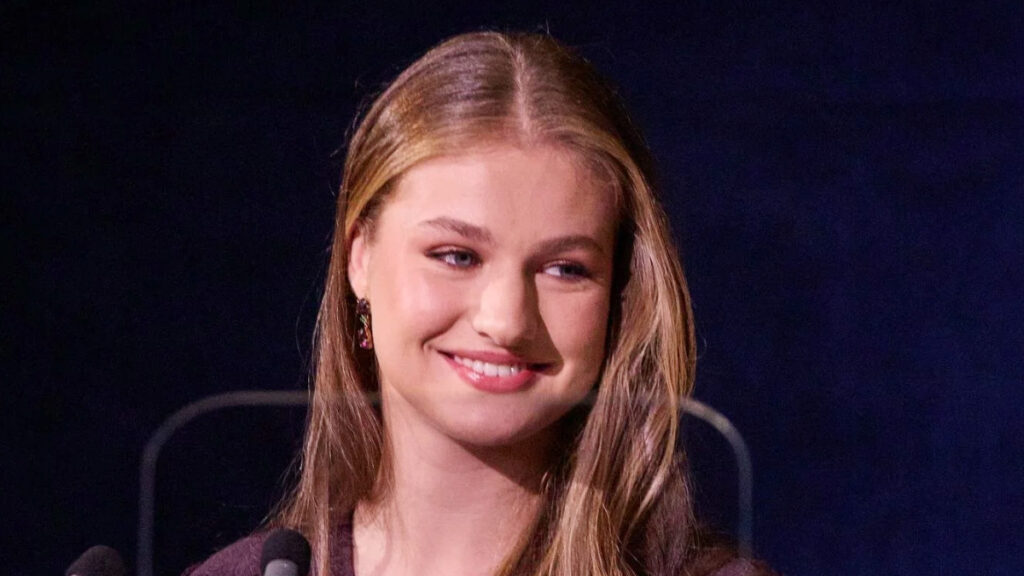
Princess Leonor turns 20 on October 31st, and beyond the number, what truly impresses is the weight she carries on her shoulders.
For three years, she has combined military discipline, academic training, and an institutional agenda, making her one of Europe’s most active heirs.
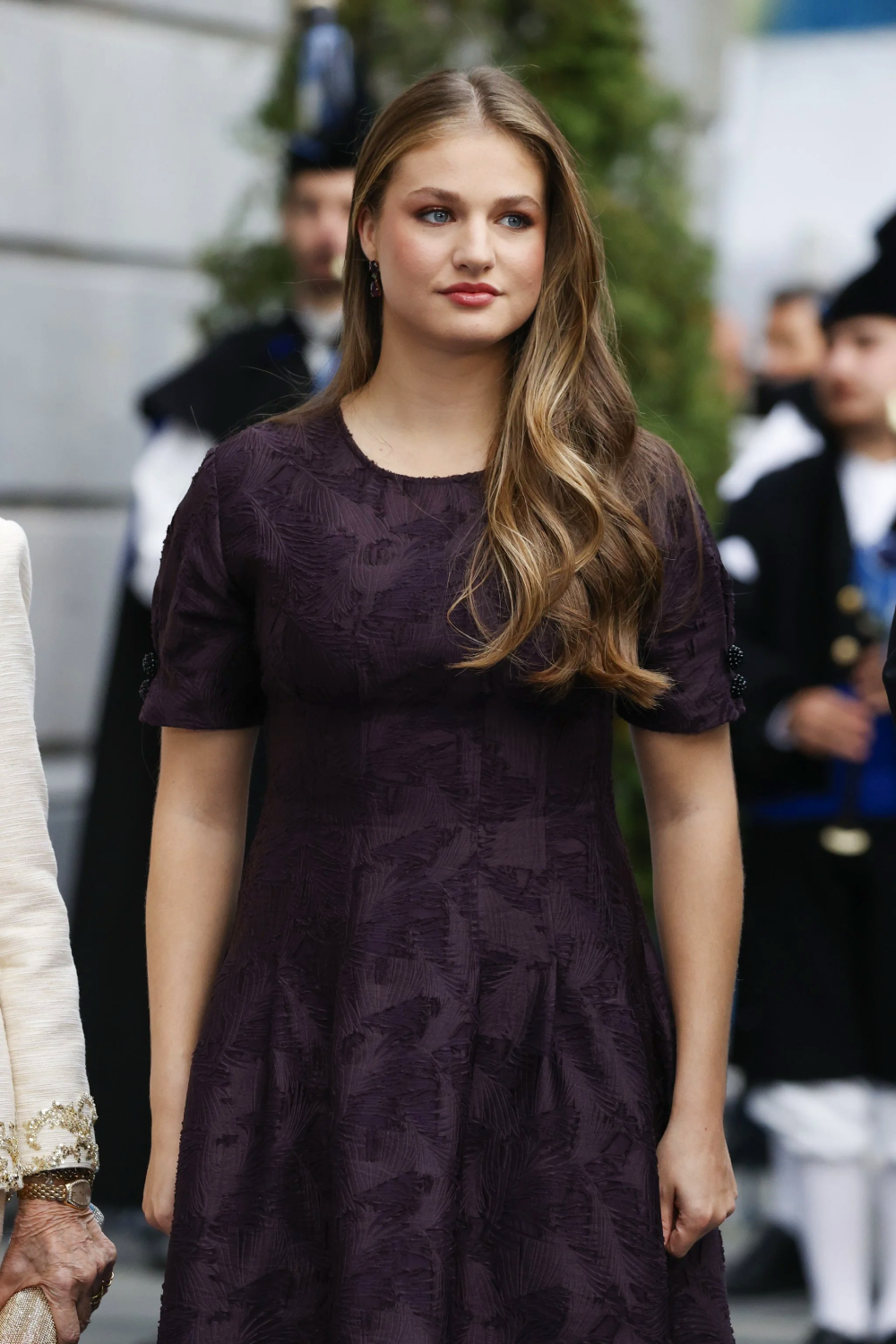
Her role, however, extends far beyond public appearances or wearing a uniform. As heir to the throne, she is preparing for a position that is not chosen, but assumed.
A few days ago, Jaime Alfonsín, who served as the head of the Royal Household for a decade, made it clear: the heiress’s education is not a private matter, but a public responsibility.
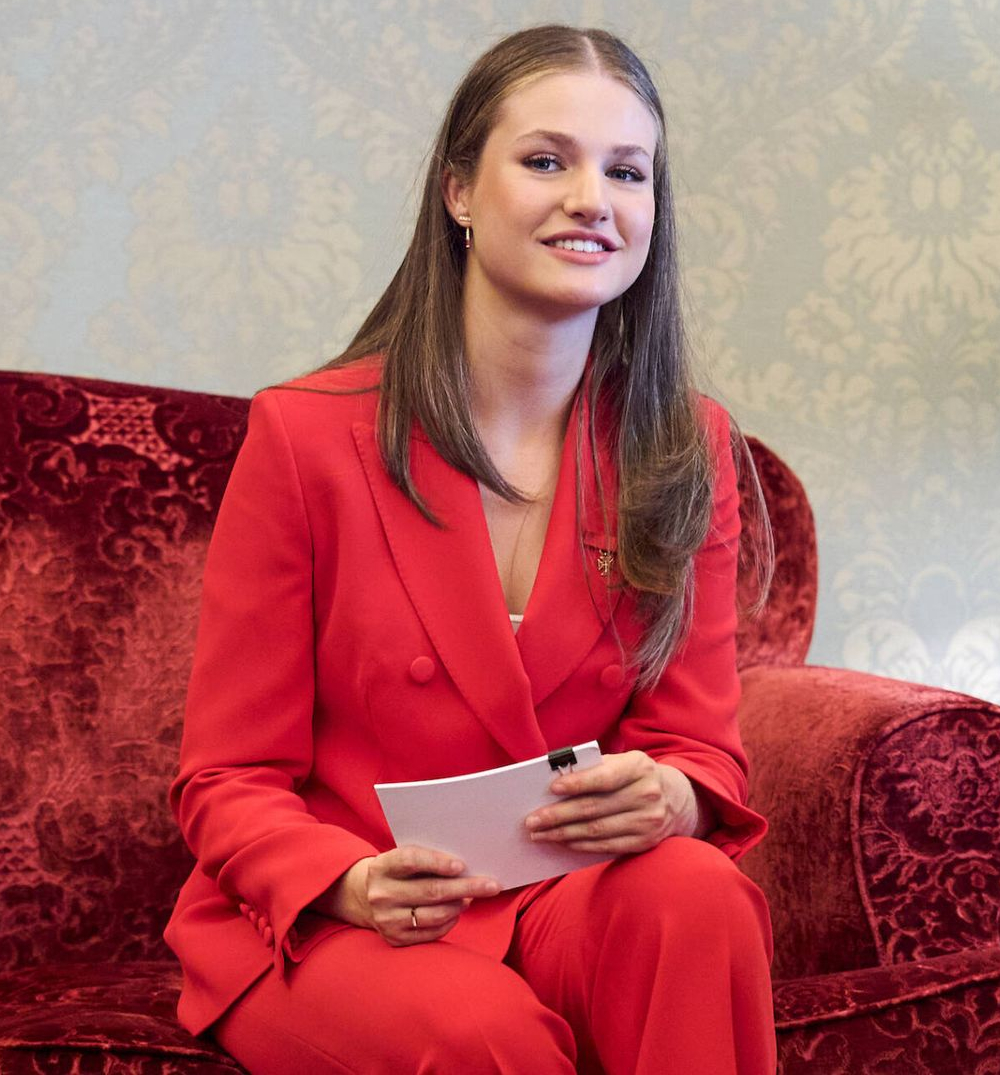
Leonor is not only studying to lead an institution, but to represent an entire country. In this process, she is being trained to serve, not to stand out—a phrase that may seem simple, but encapsulates the entire philosophy of modern monarchy.
Experts agree that Leonor’s challenge will be to redefine the symbolic role of the Crown in a time when everything seems to be material and ephemeral.

In the words of renowned Spanish historian Ricardo Mateos, her mission will be to unite, not divide; to serve, not to shine. And that challenge, in a rapidly changing society, demands a level of maturity uncommon for someone her age.
Therefore, rather than a celebration, this birthday marks a period of consolidation for a young woman who is transitioning from a promising figure to an established institutional one.
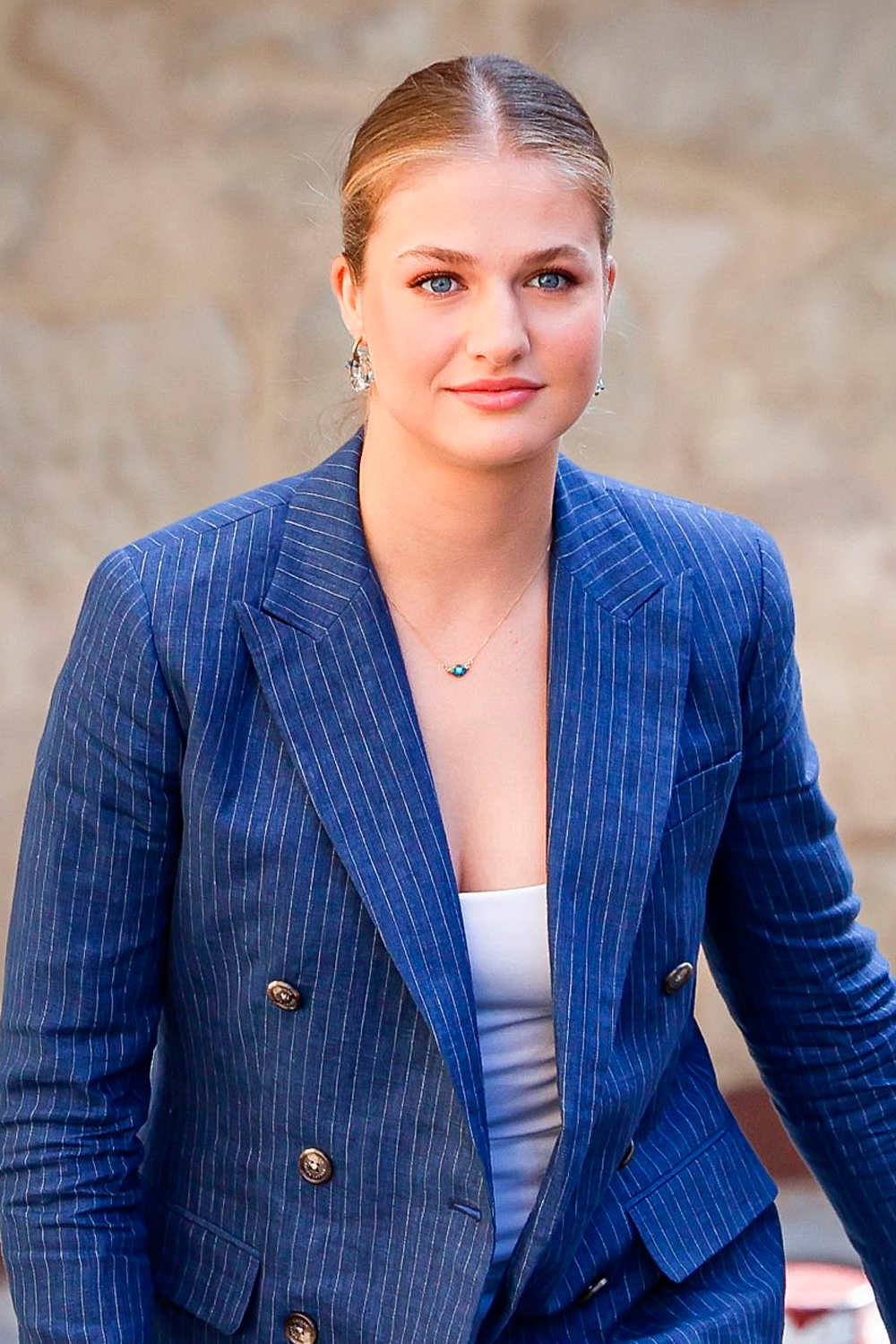
Her future, as analyst Carmen Remírez de Ganuza points out, will depend on three pillars: intuition, responsibility, and training. With these pillars, she must represent unity in a diverse Spain, build a family that ensures the continuity of the Crown, and adapt to a world undergoing a technological revolution.
It’s no small thing. But if Leonor has shown anything so far, it’s that she can walk a firm line between tradition and modernity, aware that the future awaiting her is not a privilege, but a duty.