

The name of Andrew Mountbatten-Windsor, the former Duke of York, is once again making headlines. According to historian Andrew Lownie, author of the book *Entitled: The Rise and Fall of the House of York*, the son of the late Queen Elizabeth allegedly brought prostitutes to Buckingham Palace for years, with his mother’s knowledge.
“Of course the Queen knew.” She was informed. But he was her favorite son,” Lownie stated in a television interview.
These revelations have sparked a new wave of criticism against King Charles III’s brother, who has long been removed from public life.

Did Queen Elizabeth know and remain silent?
Lownie’s account leaves no room for doubt: he asserts that the monarch was aware of what was happening within the palace, but chose to protect her son.

According to the historian, guards and employees who dared to report the situation were silenced with warnings.
They swept it under the rug. Until now,” he added. If true, this episode would reveal an uncomfortable aspect of the institution: the power of family ties over public duty. Something that, in Andrew’s case, has become a permanent shadow.
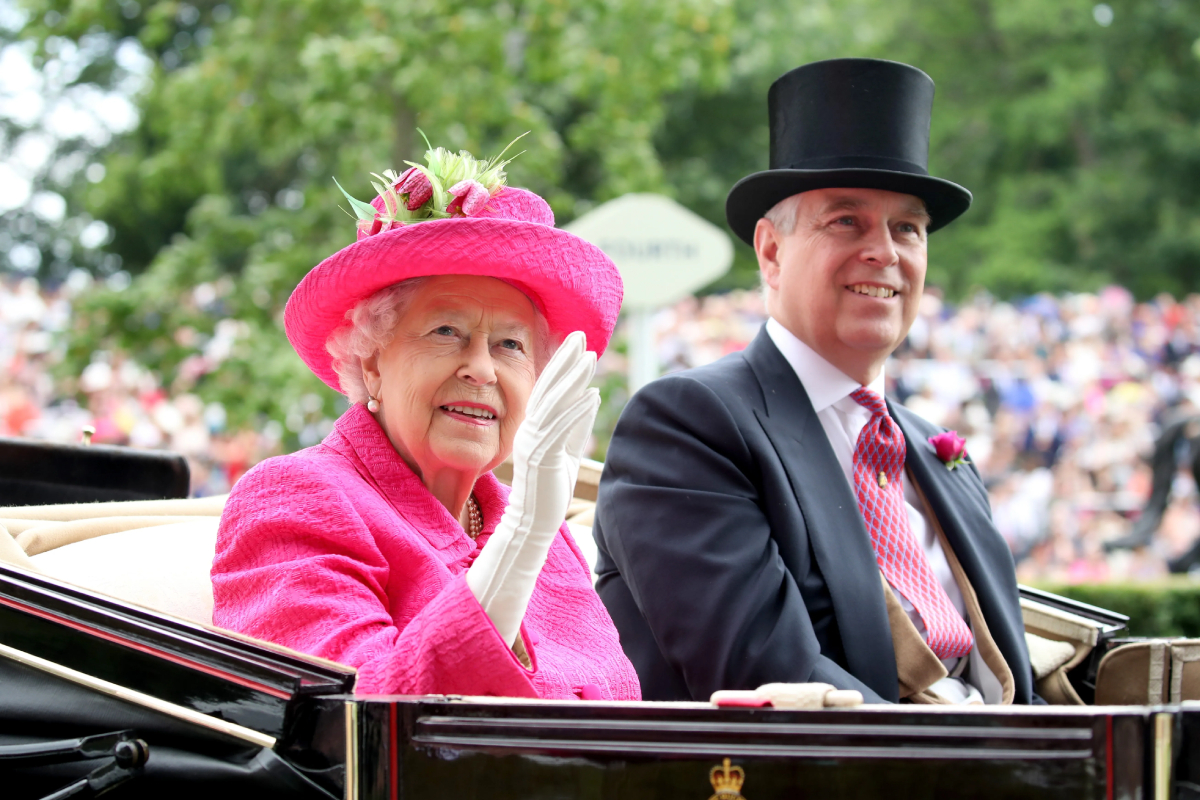
Testimonies coming to light
Lownie claims to be receiving more and more information from former Buckingham workers and British government sources. Many, he says, are no longer afraid to speak out now that Andrew has lost his rank and institutional protection.



The revelations include scandalous details, such as an alleged stay in Thailand where “40 prostitutes” were allegedly sent to the then-prince’s hotel. This accusation is difficult to ignore, especially considering the context of the Duke’s ties to Jeffrey Epstein and the allegations that led to his downfall.
The decline of the queen’s “favorite”
Since King Charles III officially stripped him of his titles and honors on November 3, Andrew Mountbatten-Windsor has been living a forced retirement, away from the spotlight.

His latest statement, in which he claimed to be resigning “for the good of the family and the country,” contrasts with the current revelations, which appear to undermine any attempt at public rehabilitation.
The truth is, the story of the “favorite prince” has become one of the darkest chapters in the Windsor legacy.