

Sometimes, when I look back at the recent history of the Windsors, I’m surprised at how quickly the relationship between the two brothers, who once seemed inseparable, deteriorated.
Experts featured in The Sun’s new documentary agree that there was a very clear turning point. And it has nothing to do with Netflix, the *Spare* memoirs, or the UK’s exit in 2020.

According to reports, it all began much earlier, when William advised Harry to “take his time” before committing to Meghan. An almost routine comment between siblings, but one that, according to Katie Nicholl, “really badly with Harry.”
That moment, seemingly insignificant from the outside, marked a turning point. Nicholl claims that was the first time it became clear something was wrong.
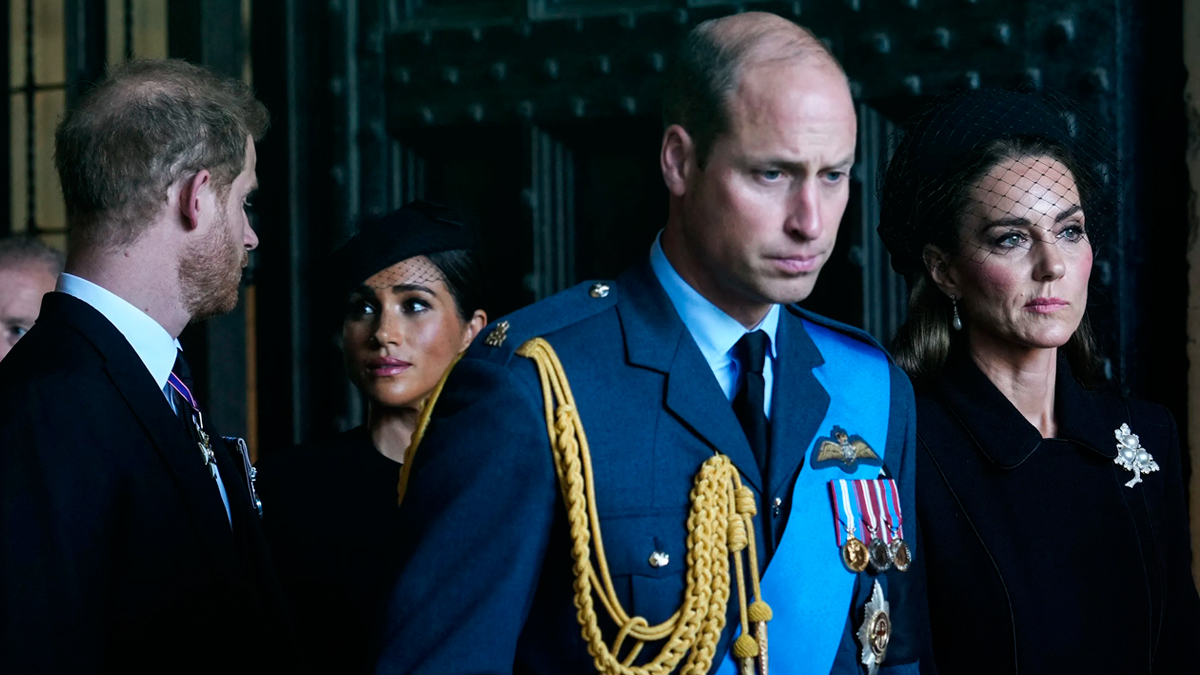
In his reading, Harry felt that his brother neither supported him nor understood how quickly he wanted to move forward with Meghan.
Robert Jobson elaborates on the idea, framing it as an overreaction to a common, thoughtless piece of advice: “Do you think this is happening rather quickly?” From that point on, he said, the relationship steadily began to fray, without major public outbursts, but with mounting friction.

More personal episodes also come to light, such as the Christmas when Harry allegedly complained to William that he wasn’t treating Meghan with enough closeness. Some journalists were already pointing out at the time that the relationship between the Sussexes and the then Cambridges was not as harmonious as it appeared.
Even after the wedding, those involved in the preparations noted clear tensions between the two couples. And here’s an interesting nuance: Sarah Hewson states that for a long time, Meghan and Catherine were blamed, but we now know that the main friction existed before and was between the two brothers.

We already know what followed: Harry’s accusations in Spare, the episode where he claims William pushed him to the ground, the accusations against Princess Kate, and the storm that the 2022 docuseries unleashed.
Since then, there has been almost no contact. As I always say, family relationships are complex, and in this case, public pressure acts as a magnifying glass.