
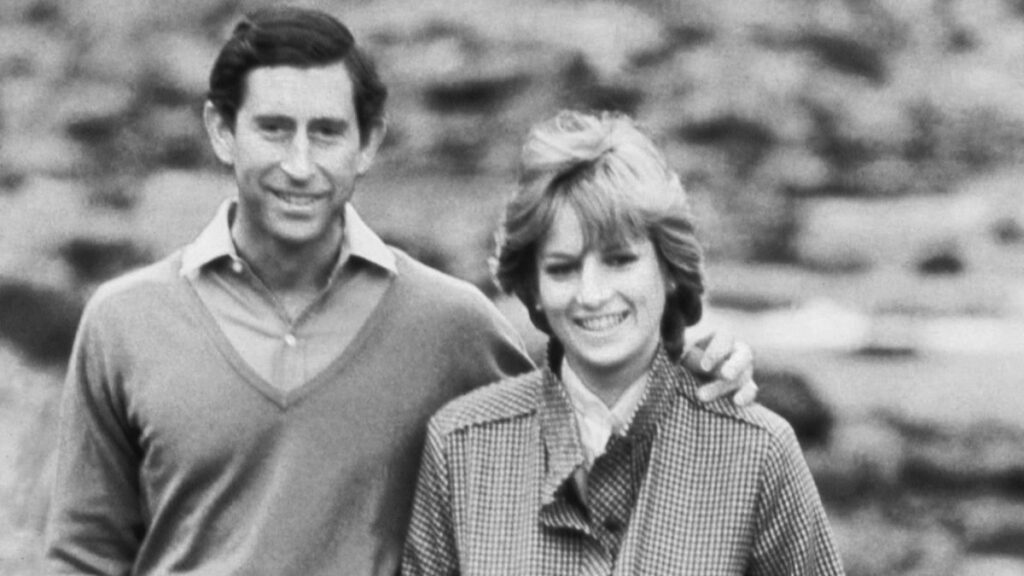
When we see King Charles III with Queen Camilla today, serene and complicit, the question naturally arises: Why did he marry Diana Spencer if the great love of his life was always Camilla? The answer lies not in romanticism, but in the context.
In the 1970s and 1980s, the British monarchy operated under rigid rules and constant pressure on the heir. Marriage wasn’t a personal choice; it was an institutional obligation, and time was beginning to work against him.

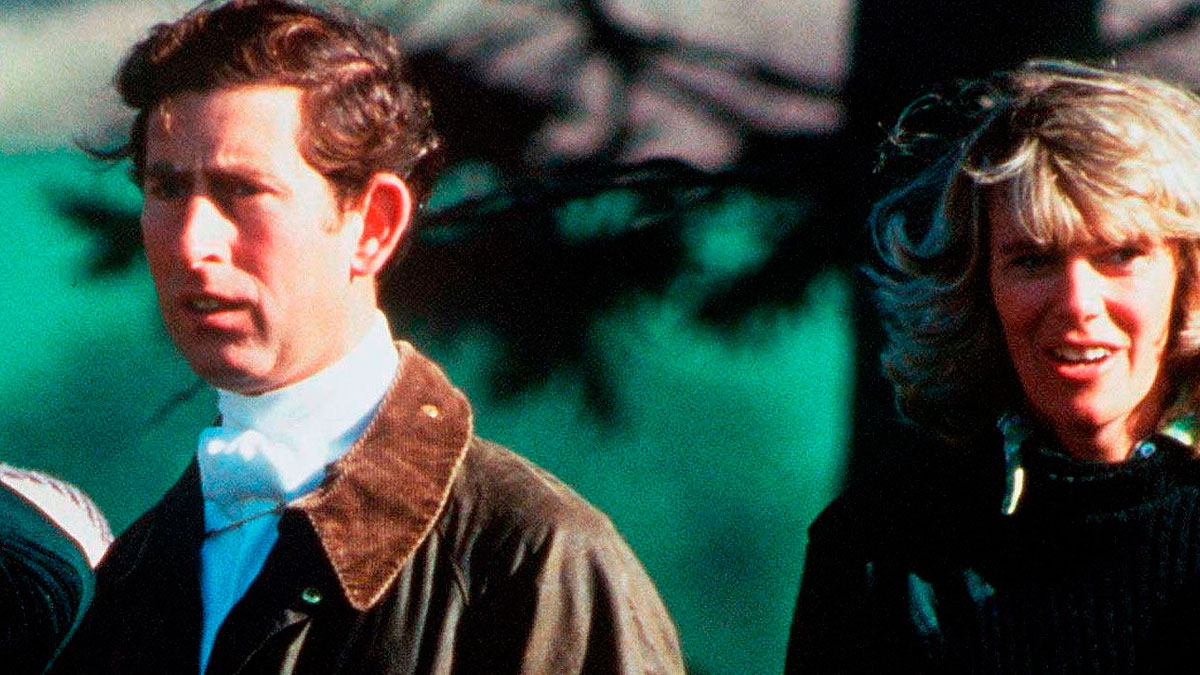
Charles had already experienced love before Diana. His relationship with Camilla began in the 1970s, marked by a genuine connection and clear affinities, but the Royal Family never considered her a candidate. She didn’t fit the mold they demanded for a future queen consort.
While Charles was pursuing his naval career, Camilla rebuilt her life and married Andrew Parker Bowles. For the Crown, the path was clear to find the “right one,” even if it meant disregarding the prince’s feelings.
Why did Diana meet the Crown’s expectations?
Diana Spencer arrived just as the institution required a solution. Young, aristocratic, with no romantic history and a flawless image, she met every unwritten requirement the monarchy demanded.
Charles, nearing thirty, felt the pressure to secure the succession and meet his family’s expectations. Guided by duty and the advice of key figures like his father and Lord Mountbatten, he made a rational, not emotional, decision.

The marriage was conceived as a commitment to the Crown, not a love story.
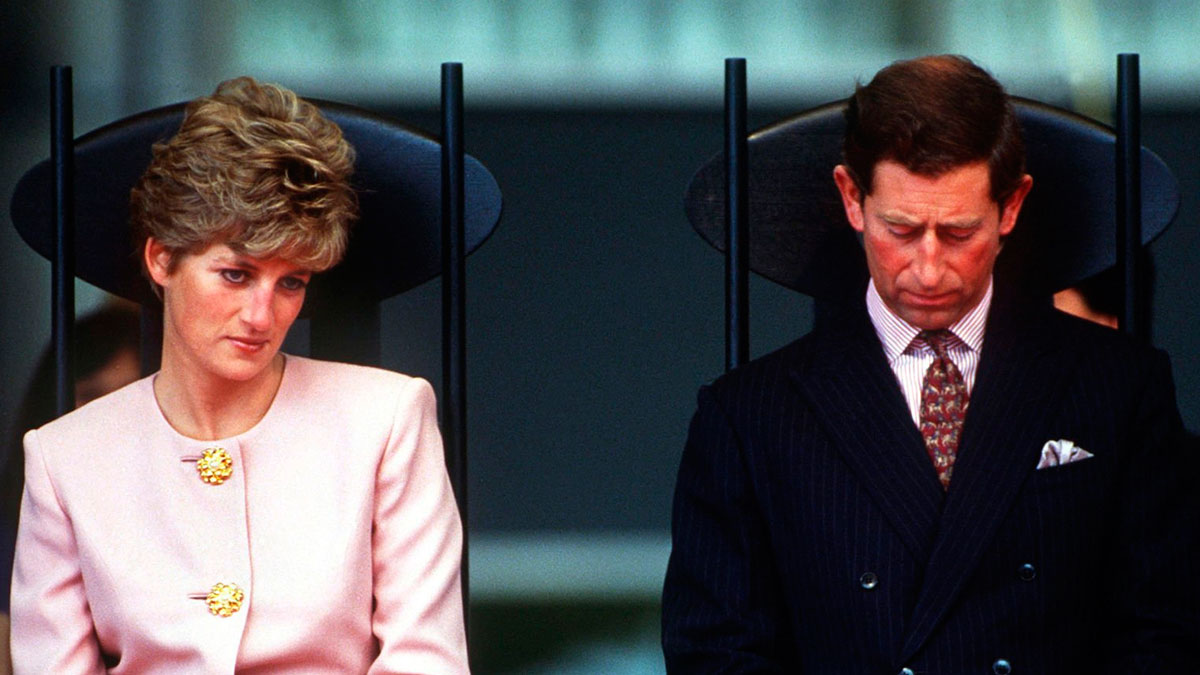
We already know the rest. A fairy-tale wedding that couldn’t last, a public divorce, and a deep wound for Diana. After her death, Charles and Camilla’s relationship progressed cautiously, step by step, until they were able to marry in 2005 in a much more open social context.

Looking back, Charles married Diana because that was expected of him. Love came later, when duty no longer held such sway.