
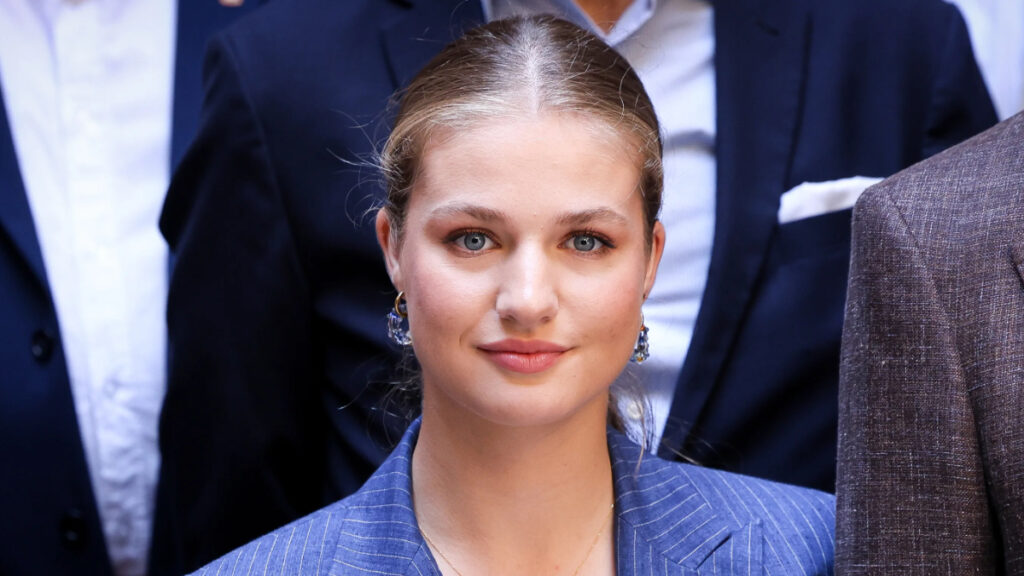
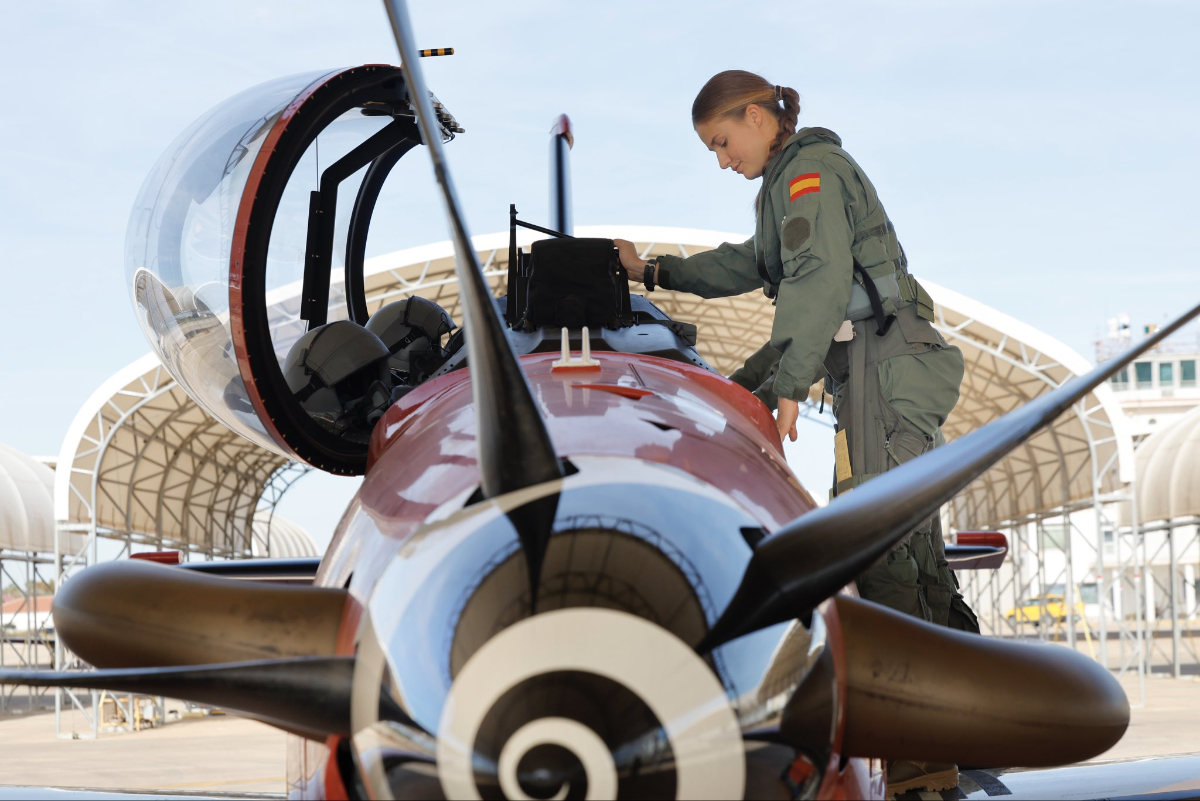
It’s well known that Princess Leonor arouses curiosity within Spain. But what I find fascinating is what’s happening on the other side of the Atlantic. In the United States, videos of her military training went viral, and that was no coincidence.
Erin Vanderhoof, the culture and royalty editor at Vanity Fair USA, explains it bluntly. This phenomenon signaled that the future of the House of Bourbon would embody values we could admire, such as public service, precision, and a sense of fun.
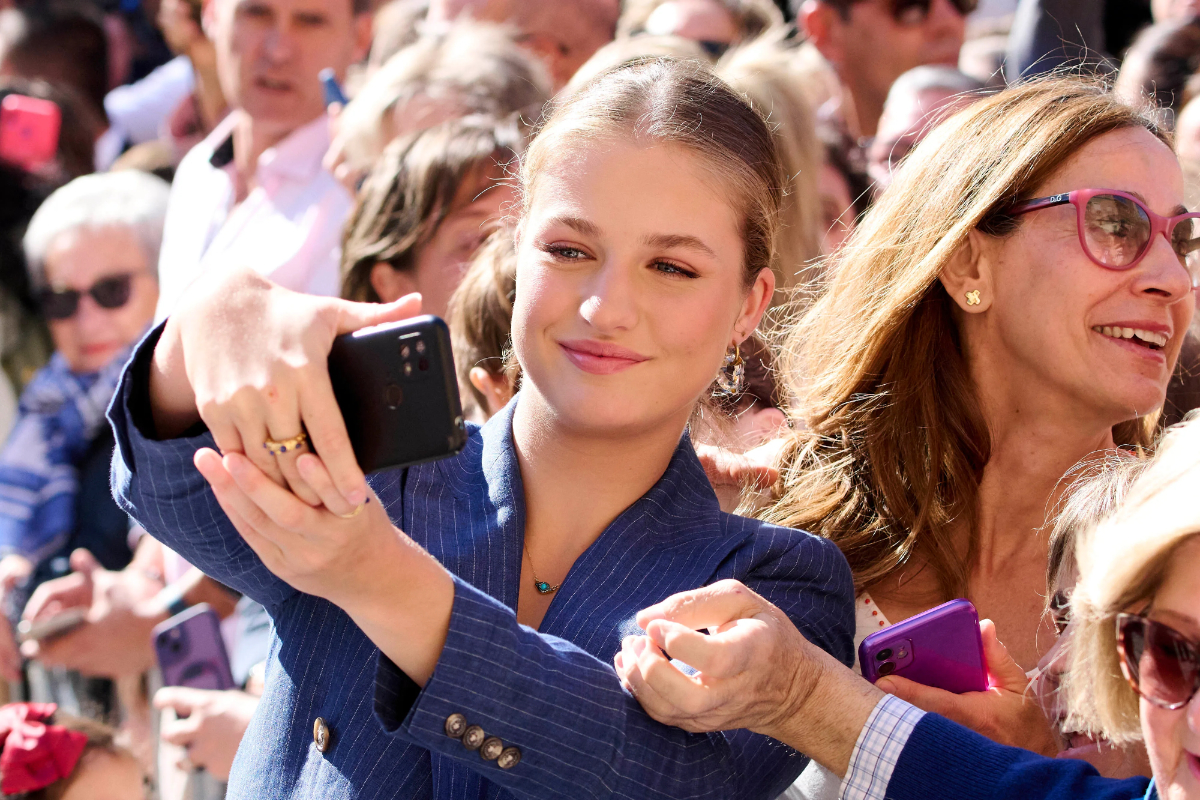
Why Princess Leonor particularly resonates with Latin American millennials
In Mexico, the situation is different. Alejandro Ortiz, content director for GQ Mexico and Latin America, highlights her charisma and describes her as someone who is “young, yet aware of her role and surprisingly serious for the times.” And there’s something else: the millennial generation has watched her grow, and that creates a bond that goes beyond the media.
Amira Saim, director of adapted content for Vogue Mexico and Latin America, describes the relationship as “also affective.” However, the same expert honestly points out that she still has a ways to go to match the magnetism exuded by Queen Letizia. It’s not a criticism; it’s a fair observation.
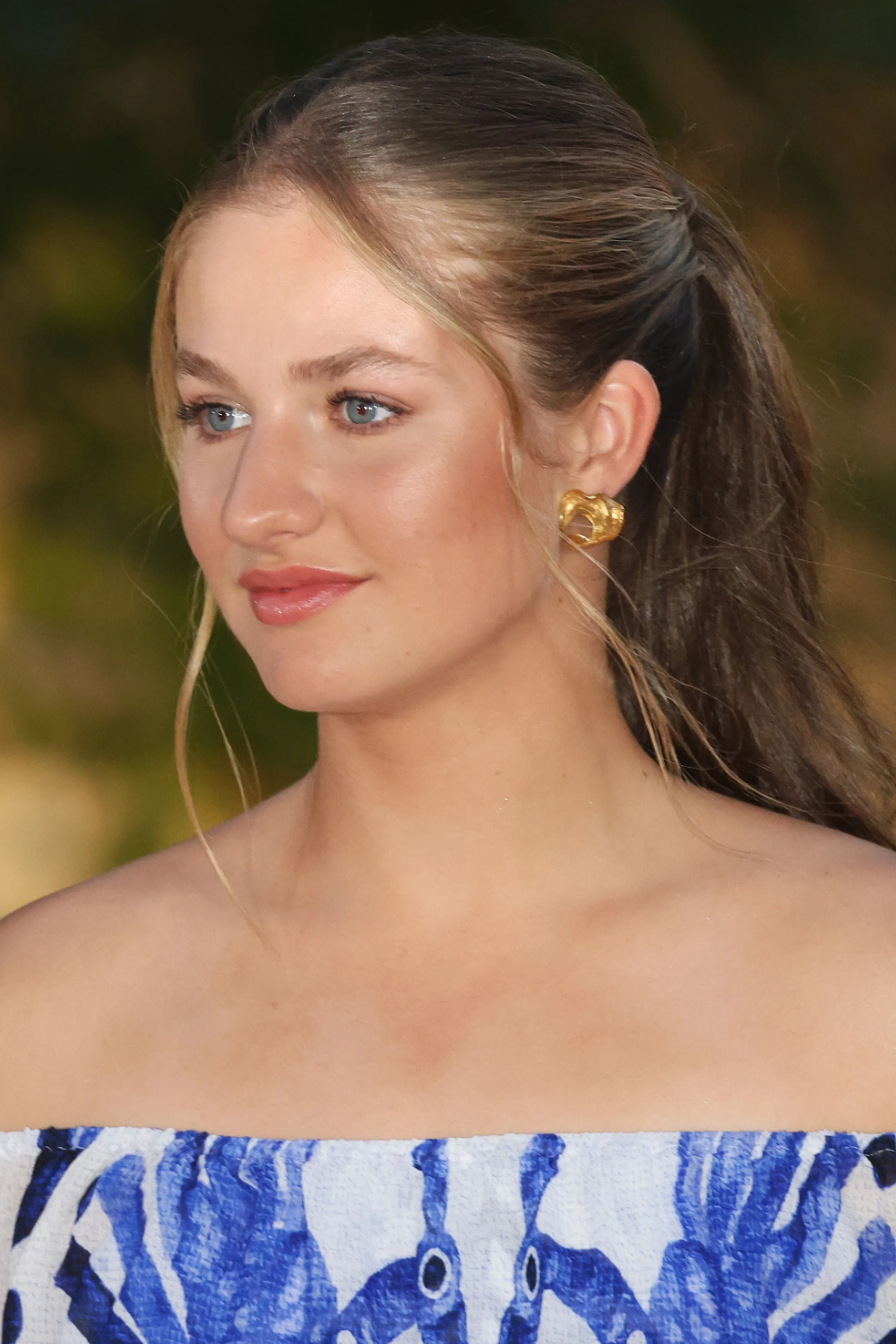
The generational challenge no one directly addresses to Leonor
There is one fact that I find most revealing of everything that has been said about her international image. According to Saim, boomers perceive her as overly controlled, while for Generation Z—her own generation—she remains a distant figure, yet to be discovered.
In other words, Leonor still needs to win over those who didn’t see her grow up, and reconnect with those who did but feel a barrier exists. That balance is complicated, and it can’t be achieved with just good public appearances.
What impressed the United Kingdom from the start
Stephanie Bridger-Linning, editor-in-chief of Tatler UK, recalls Leonor’s first speech in October 2018, when she was 13 years old. “I was impressed by her composure, even under the pressure of the spotlight.”
It’s telling that a British expert on royalty—someone accustomed to covering the Windsors—would remember that image. Her time at boarding school in Wales with other European princesses also helped to humanize her and added a dimension of closeness that the international press increasingly values.