
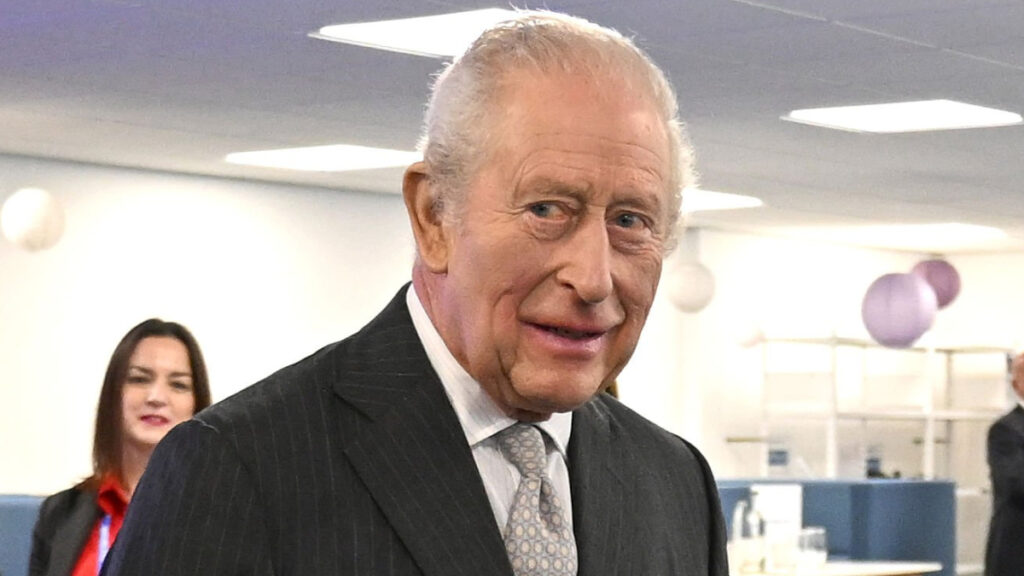
King Charles III has more money than many people realize. According to the Sunday Times Rich List 2025, his personal wealth is around $850 million, placing him at number 238 among the richest people in the United Kingdom.
To put this into perspective, his wealth exceeds that of the Beckhams and is on par with that of Rishi Sunak and his wife. And that’s just what is known, because part of his finances never see the light of day.
Sovereign Grant, Duchy of Lancaster, and Private Investments
The first thing to understand is that royals who actively work for the Crown do not receive a monthly salary.
Their income comes from three main sources. The most significant source is the so-called Sovereign Grant, which is a percentage of the Crown’s earnings managed by the UK Treasury and transferred to the royal family.
In the 2025–2026 fiscal year, Charles received over $176 million through this source, an increase of more than $60 million compared to the previous year, primarily due to the sale of offshore wind farm concessions.

The second source of income is the Duchy of Lancaster, a collection of historic properties and rural land created in the 14th century. The income from this duchy goes directly into the monarch’s private pocket, but it also covers residences like Sandringham and Balmoral, as well as the expenses of other members of the family.
The third source is his personal portfolio of investments, savings, and properties, the value of which is never officially disclosed.
Why his fortune has grown so much since he ascended the throne
Part of this surge in wealth can be explained by the fact that Charles inherited Queen Elizabeth II’s investment portfolio without paying inheritance tax, a privilege that in other circumstances would have meant a bill of up to 40% of the total value.
Furthermore, according to sources close to the King cited by the Sunday Times, since his divorce from Diana in 1996, Charles has been very careful in rebuilding his finances, “tucking away some money from the duchy” with great discipline. As a result, his wealth today is nearly double that of his mother when she died.
King Charles’ money isn’t all his, even though it might seem that way
Here comes the nuance that is worth understanding. A significant portion of the money he receives from the Sovereign Grant is not for his personal use. That money pays staff, funds official travel, maintains the Crown’s residences, and covers the commitments of active members of the royal family, who in 2025 took part in nearly 2,500 official engagements.

King Charles, who topped the list of the hardest-working royals that same year, also has numerous trips abroad planned for 2026. So, while the number sounds impressive, there is an important difference between what is truly his and what he manages on behalf of the institution, a difference that is almost never mentioned.