
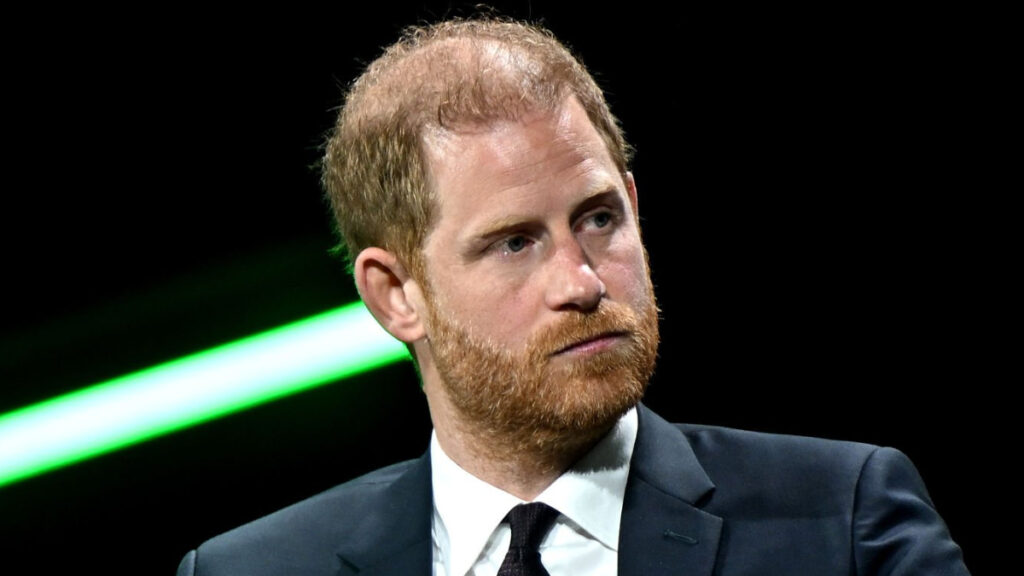
Sentebale, the charity that Prince Harry co-founded in 2006 with Prince Seeiso of Lesotho in honor of Princess Diana, has filed a defamation lawsuit against him in the High Court of London. Also named in the lawsuit is Mark Dyer, a friend of Harry’s and a former board member.
Court records confirm that the lawsuit was filed last month, although the specific details of the case have not been made public. The organization itself issued a statement noting that it is seeking legal protection following what it described as sustained damage to its reputation resulting from “a coordinated adverse media campaign since March 25, 2023.”
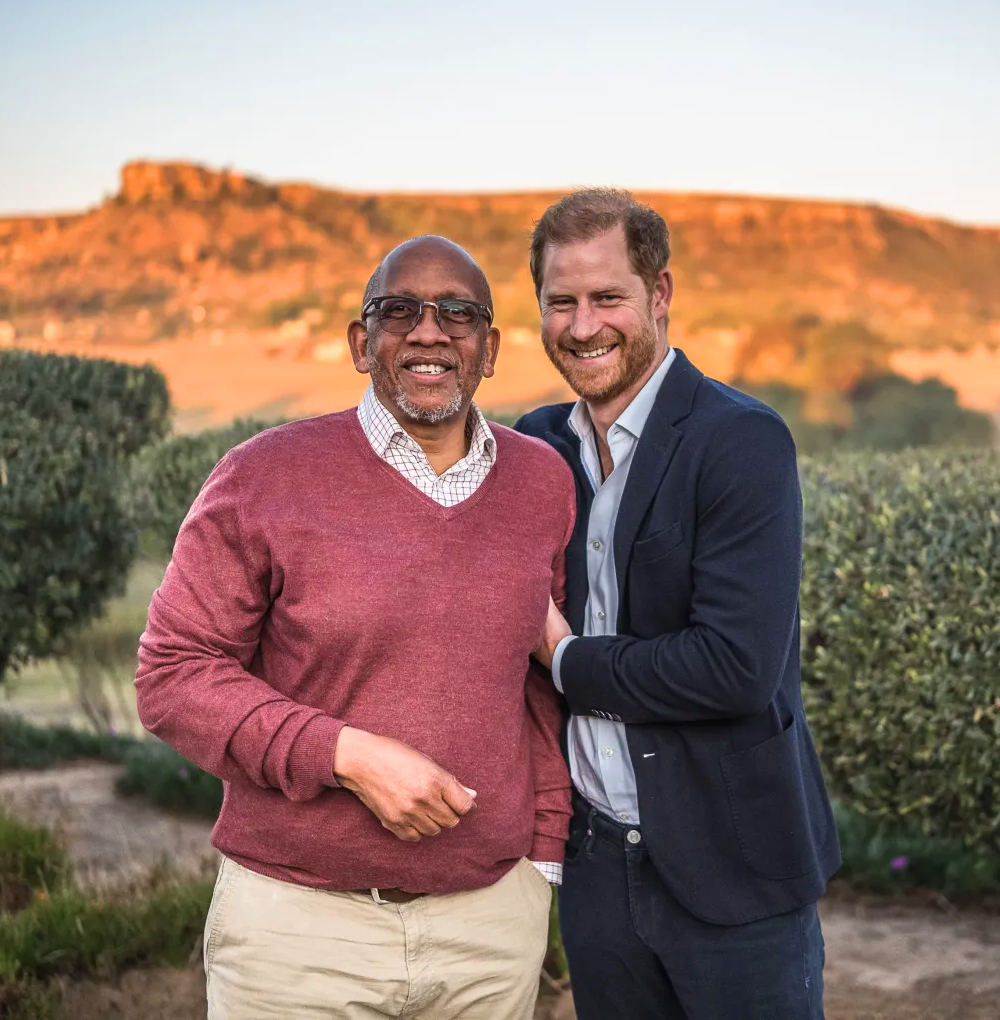
Prince Seeiso of Lesotho and Prince Harry, Duke of Sussex. (Agency)
Why Harry and Sentebale reached this point of total rupture
The relationship between Harry and the organization began to deteriorate in 2023, when internal disagreements arose over a new fundraising strategy. In March 2025, both Harry and Prince Seeiso resigned as patrons, stating that they were doing so in support of the trustees who had also resigned.

The core issue was the relationship with Sophie Chandauka, Chair of the Board, which, according to the founders, had reached a point of no return. Chandauka responded by accusing Harry of orchestrating a lobbying campaign to force her out, and she also noted that activities related to one of his Netflix projects had interfered with a Sentebale fundraising event, and that an incident involving Meghan had added to internal tensions.
What the UK Charity Commission found when it investigated the dispute
The Charity Commission for England and Wales investigated the matter, and its conclusion was rather unfavorable for both parties. It found no evidence of widespread harassment or misogyny, but it criticized all those involved for allowing the conflict to play out in public.
David Holdsworth, the Commission’s Chief Executive, was blunt on this point: Sentebale’s problems “played out in plain sight, allowing a damaging dispute to harm the organization’s reputation.” Harry’s spokesperson criticized the regulator’s findings, while Chandauka welcomed them.

There is something striking about Harry’s position here. In recent years, he has been the one bringing cases to court, particularly against British tabloids for illegal wiretapping and unlawful collection of information.
Now finding himself on the other side, as a defendant in the same High Court in London, is a turn of events that has no recent precedent in his legal history. And the fact that the plaintiff is precisely the organization named after the Sesotho word for “don’t forget me,” created in tribute to his mother, makes the situation all the more difficult to process.