
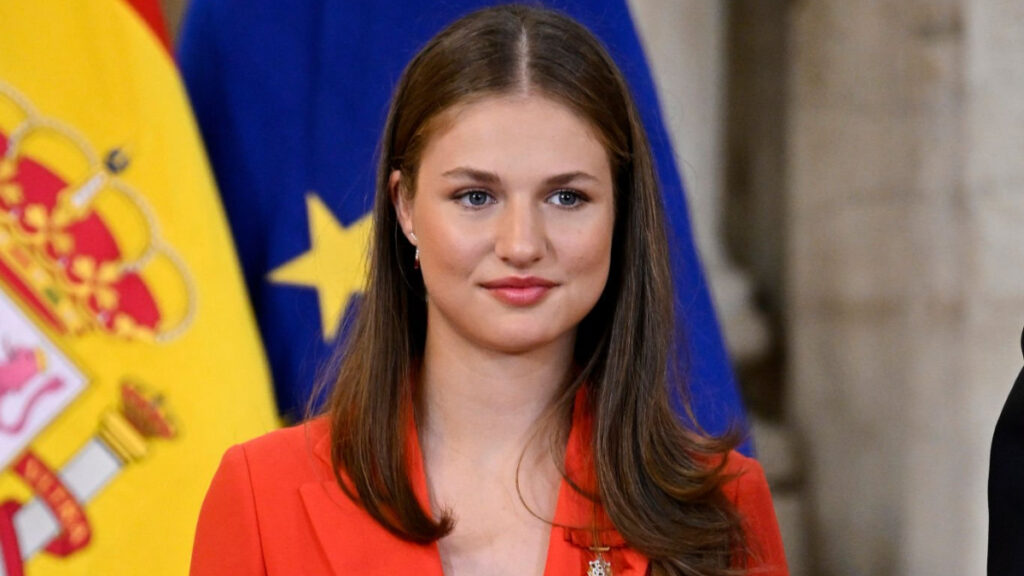
Leonor de Borbón is not only the heiress to the Spanish throne; she is also a princess in several ways at once. According to Article 57.2 of the Spanish Constitution, the heir to the throne holds a series of historical titles that go far beyond that of Princess of Asturias, the best known.
The historian Amadeo-Martín Rey Cabieses explains this with a comparison that I find quite apt: these titles are part of the nation’s intangible heritage, just as the Burgos Cathedral belongs to all Spaniards and not only to the people of Burgos.
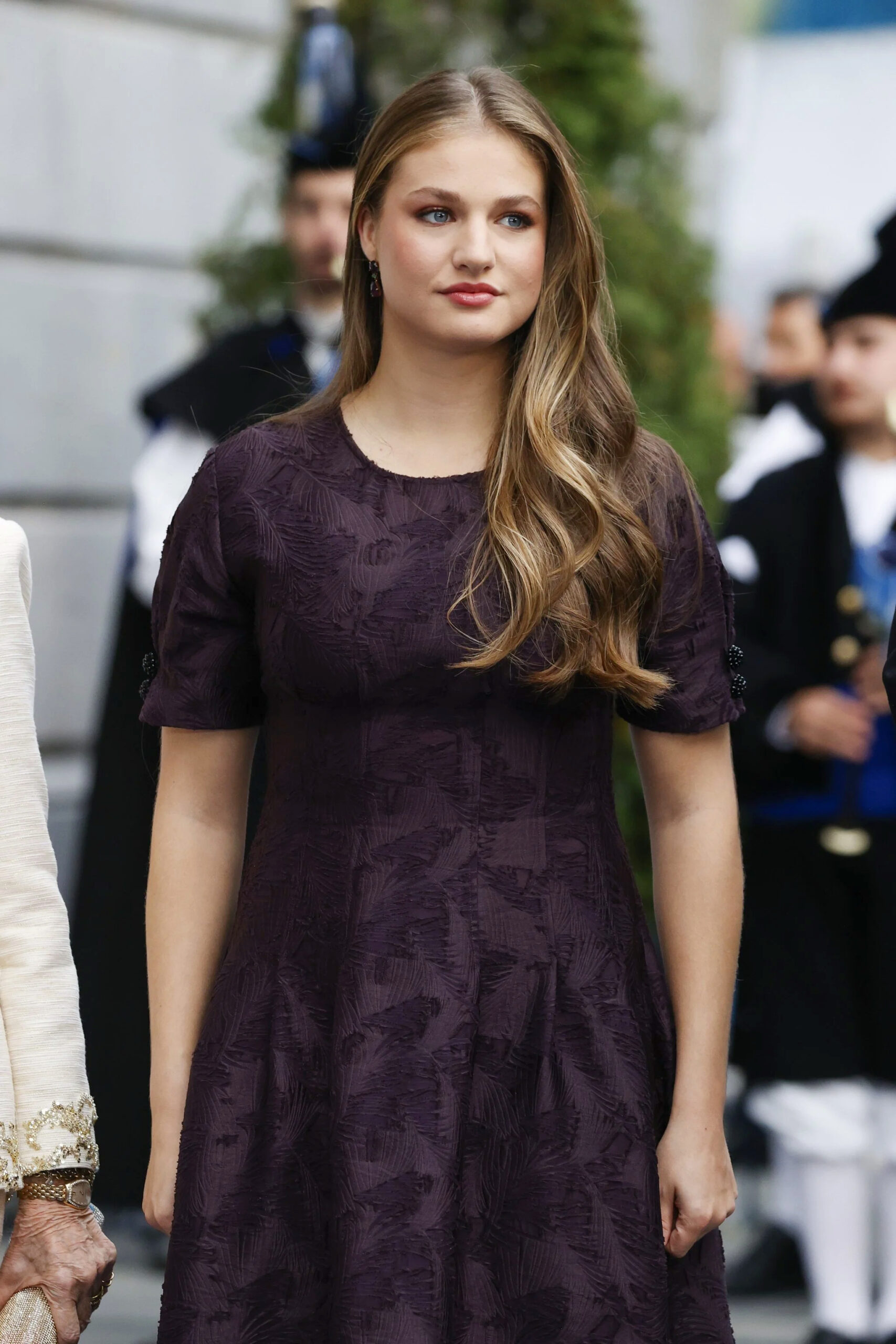
The title of Princess of Asturias is the most iconic, and it has a specific origin date: 1388, when the Treaty of Bayonne between Castile and England formalized the marriage of Catherine of Lancaster to Prince Henry of Trastámara. Since then, that title has been reserved for the heir to the throne.
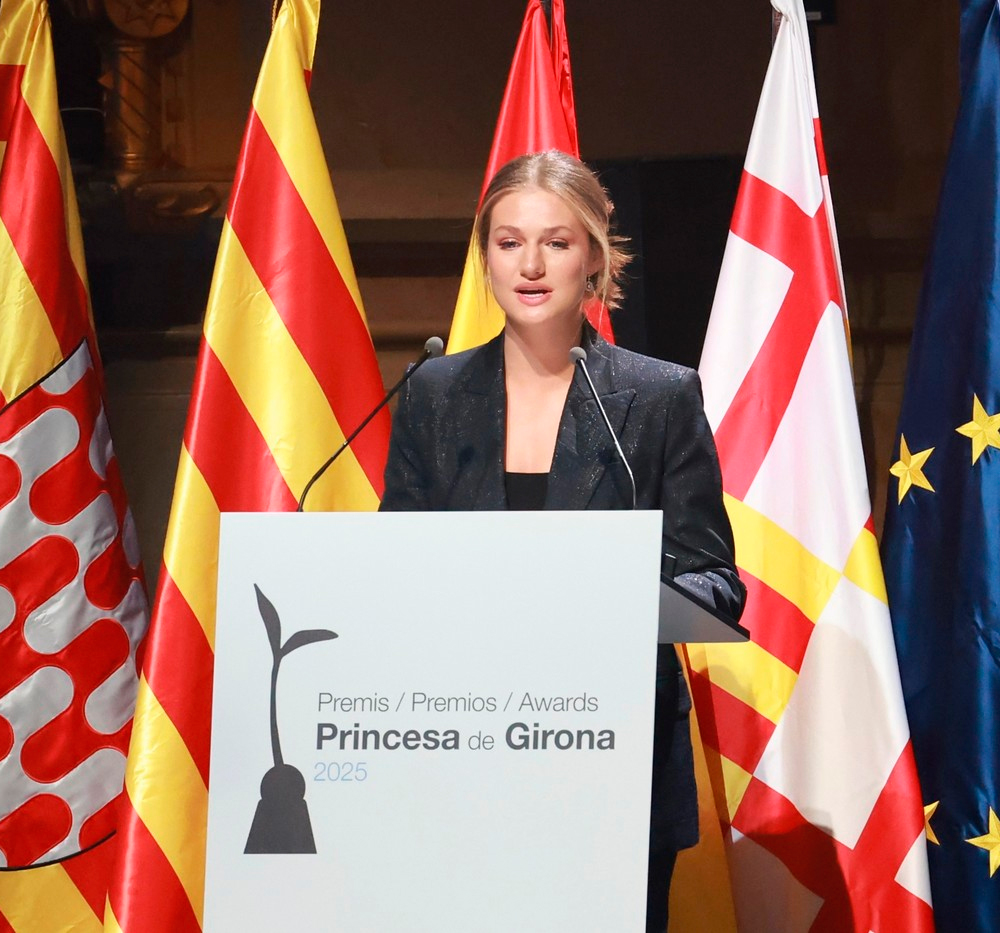
But there’s more. Leonor is also Princess of Girona, a title linked to the Crown of Aragon that dates back to 1351, when King Peter IV granted it to his son John, although not as a principality but as a duchy, which did not become a principality until 1414.
She is also Princess of Viana, a title linked to the Kingdom of Navarre that originated with Charles III the Noble and which Leonor made tangible relatively recently when she set foot on Navarrese soil with that title for the first time.
The list doesn’t end there. Leonor also holds the title of Count of Cervera, created in 1353 by Peter IV for his son John, the future John I, and which since 1414 has always been associated with the title of Princess of Girona.
She also holds the title of Lady of Balaguer, of the Crown of Aragon, created in 1418 by Alfonso V and also linked to the title of Girona since John II bequeathed it to his son Ferdinand. All these titles are inseparable from the succession to the throne and cannot be separated from it.

What makes all this interesting is not just the accumulation of historical names, but what they represent.
Each title is a thread that connects Leonor to centuries of Castilian, Aragonese, and Navarrese history—territories that today make up Spain but that came to the crown through very different paths.
The fact that a twenty-year-old young woman holds all of these titles at once speaks volumes about the symbolic weight of being the future queen of a country with such a rich history.