
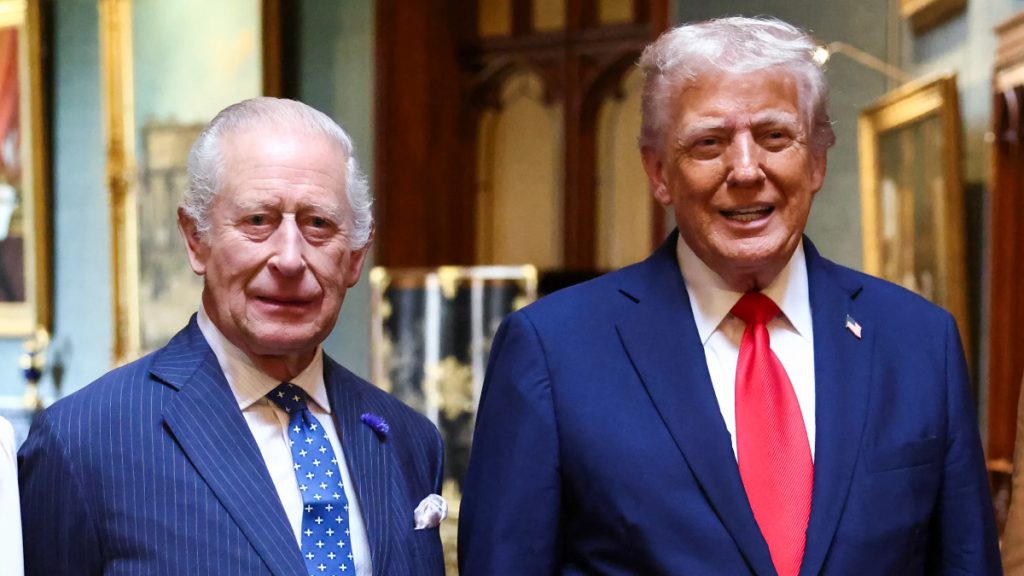
King Charles III and Queen Camilla will travel to the United States from April 27 to 30 amid a storm that no one at the palace asked for, but that no one was able to avoid either.
Recently, the Trump administration leaked a Pentagon email suggesting that Britain’s sovereignty over the Falkland Islands be reconsidered in retaliation for the United Kingdom’s lack of support for the Iran war.
The Falkland Islands were the site of a war in 1982 in which 255 British soldiers lost their lives. Using that territory as a political bargaining chip is, in the words of Liberal Democrat leader Sir Ed Davey, “frankly outrageous.”
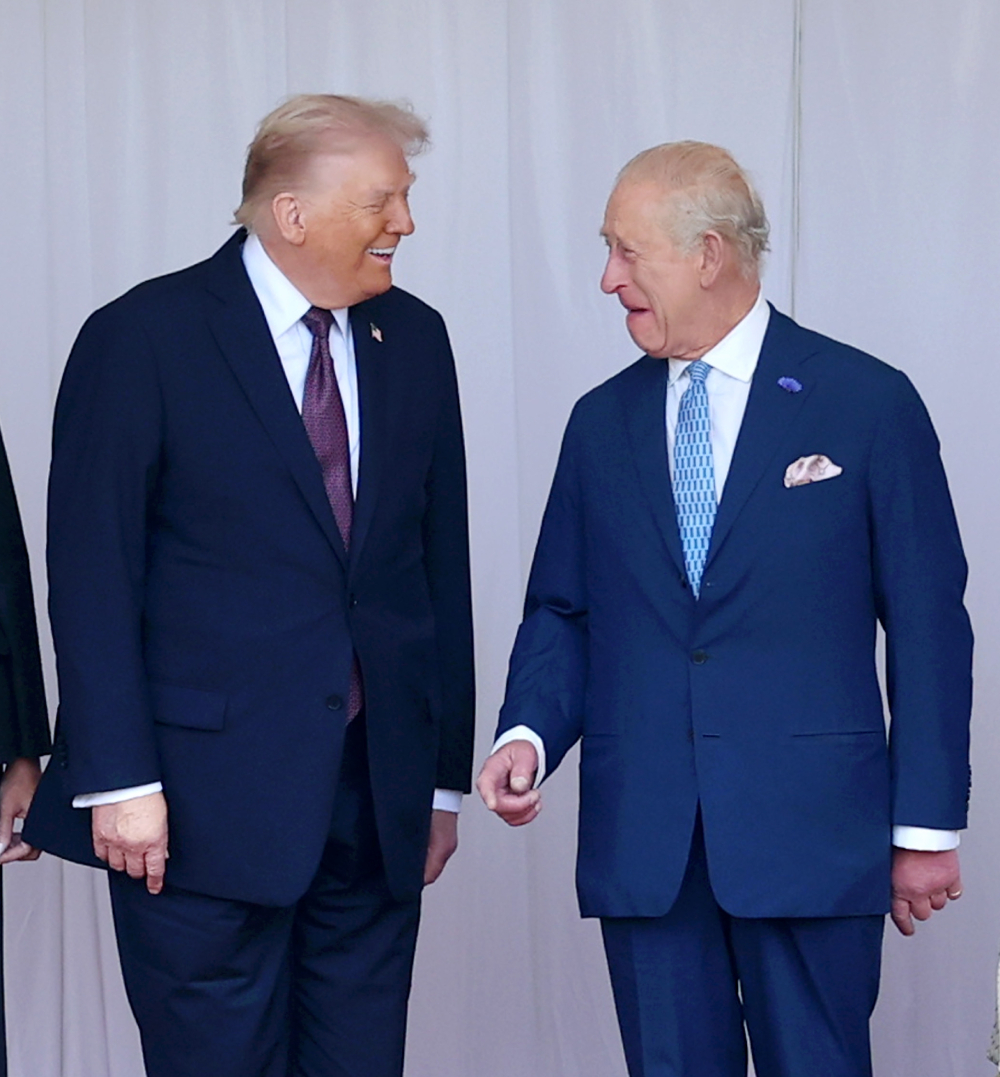
Even so, the Foreign Office confirmed that the visit would go ahead, and a palace source made it clear that the King would stick to the old royal mantra of “Keep calm and carry on.”
The underlying problem is that Charles doesn’t really have a choice in this matter. State visits are not decided by the monarch but by the government, and the British government needed to curry favor with Trump at any cost.
Nearly half of Britons—49% according to a YouGov poll—wanted the King to cancel the trip. Only 33% wanted him to go ahead with the visit.
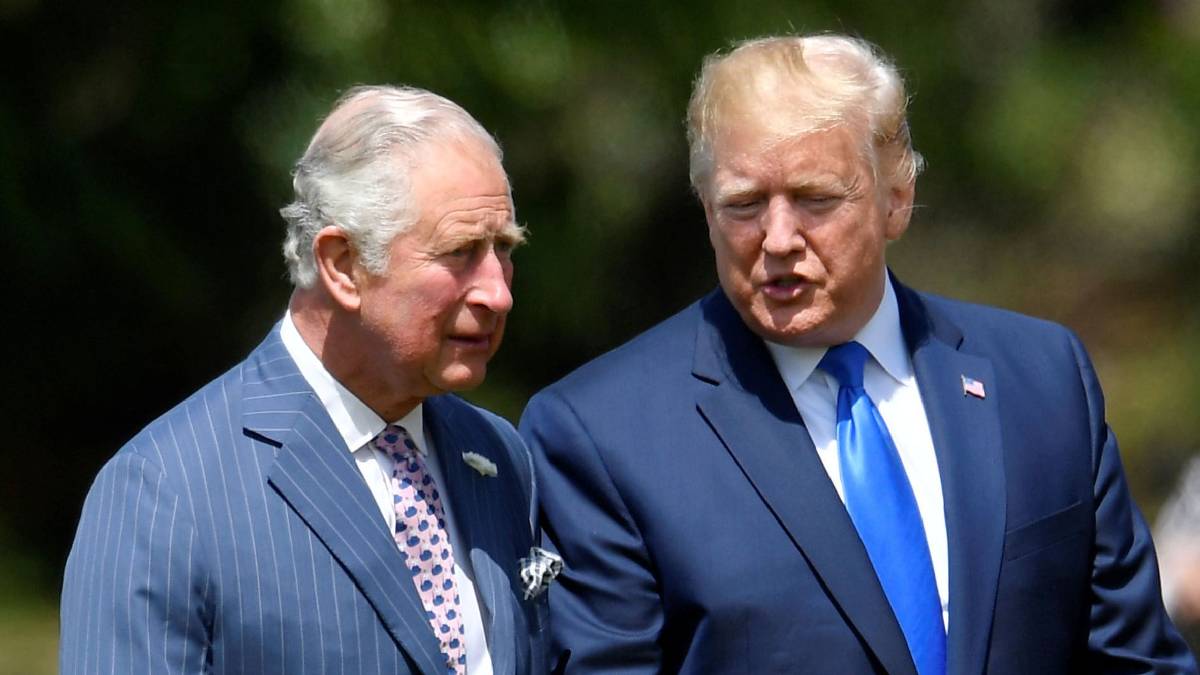
This is no minor detail at a time when Charles is already facing the worst approval ratings in decades, with a 60% favorability rating and a net positive score of just 25 points—his lowest since he ascended to the throne.
For comparison, his mother had an 81% approval rating for the same metric. William and Kate are at around 75% and 76%, respectively. Even Princess Anne beats him.
And as if the situation weren’t complicated enough, Harry entered the picture. While in Ukraine, the prince gave an interview in which he criticized Trump for not supporting the country and described himself as a “working member of the royal family,” a statement that amounts to challenging his father to strip him of his title.
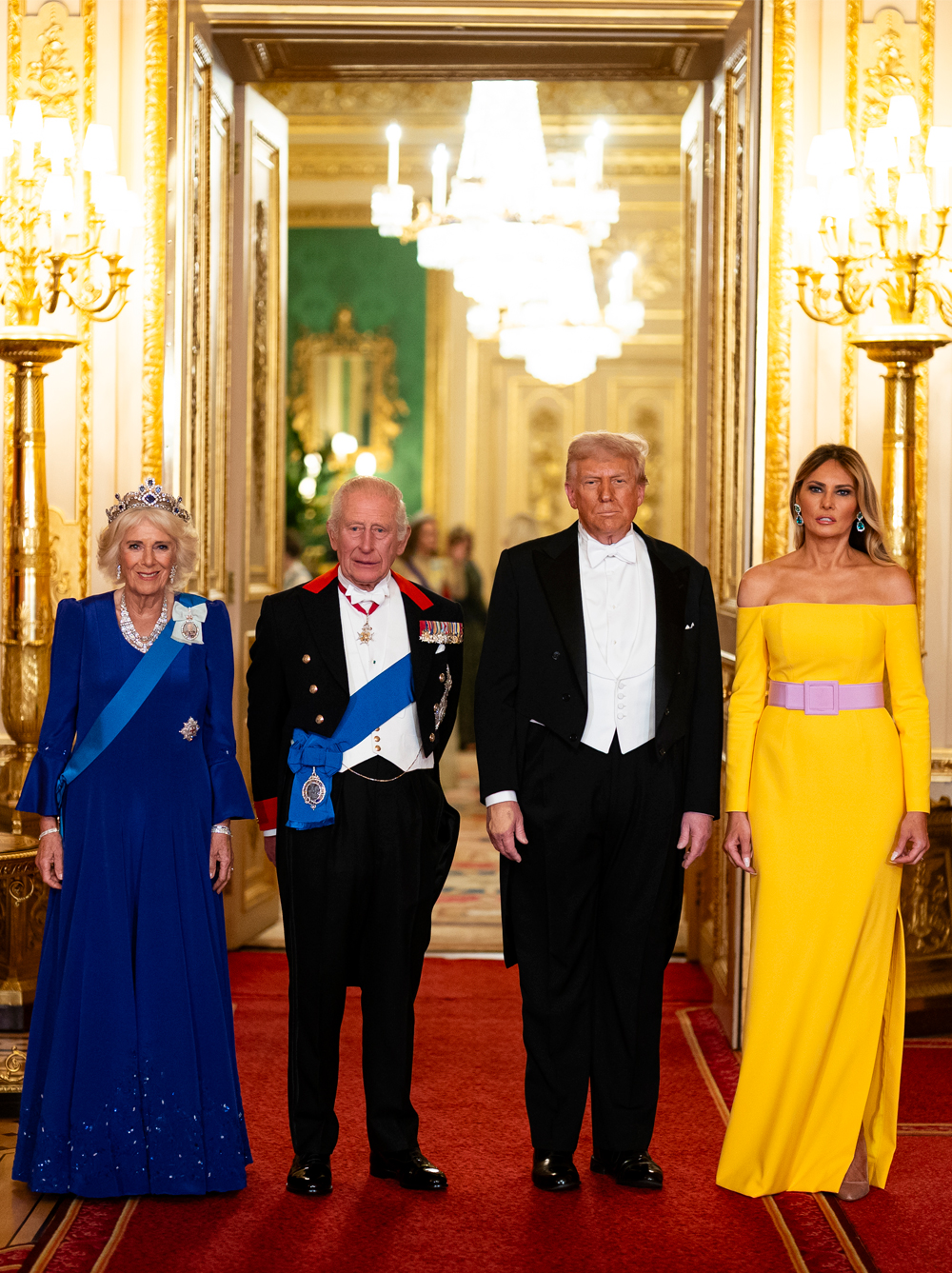
When asked if his remarks could complicate the state visit, he replied, “No, I don’t think so. Not at all,” a response that completely ignored the months of diplomatic preparation that had gone into the trip.
In his characteristic style, Trump settled the issue by saying that Harry was definitely not speaking for the United Kingdom.
What all of this reveals is not just a family conflict or a one-off diplomatic spat. Charles will arrive in Washington weakened by the Andrew scandal and vulnerable on a trip that a large part of his own country opposes.