
Does the British monarchy have a future, or is the clock already ticking down? The question has been on the table for decades, but now there’s more concrete data to support it.
Newsweek analyzed 41 years of data from the British Social Attitudes survey to chart a true trend line for support for the monarchy in the United Kingdom, and the numbers tell a fairly clear story.

In 1983, only 3.1% of Britons wanted to abolish the monarchy. By 2024, that figure had reached 15.3%, representing an increase of about 0.3 percentage points per year. If this trend continues, the monarchy has room to survive for about 120 years before a majority votes to abolish it. So far, it’s good news for royalists.
The problem lies in another indicator, one that is more revealing and more pressing. The percentage of Britons who consider having a monarchy “very important” dropped from 64.6% in 1983 to 24.1% in 2024, a decline of more than 40 percentage points over four decades. And if the trend continues, in just five years, the total of those who want to abolish it or simply see it as irrelevant would exceed 50%.
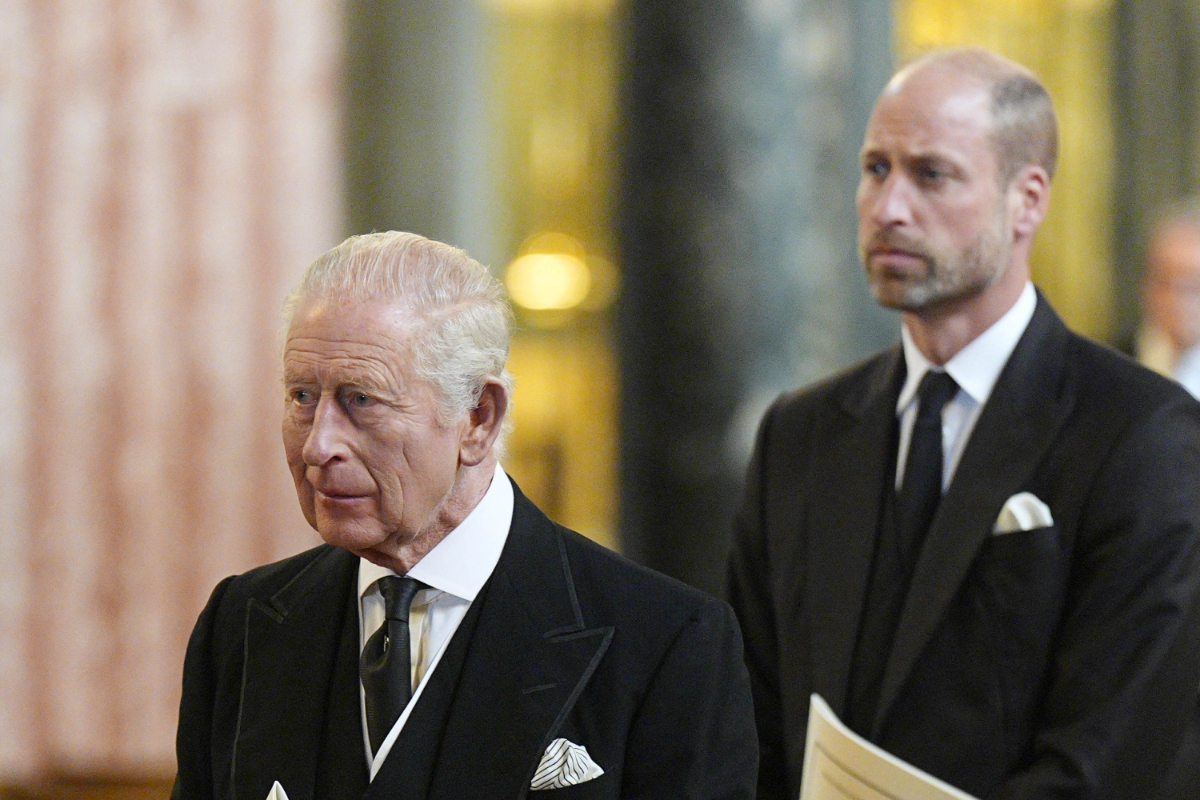
It’s not the same as a majority ready to sign the crown’s death certificate, but it is a sign that the institution is losing the emotional weight it once held. Furthermore, when presented with a binary question with no middle ground, 38% now prefer a democratically elected head of state, compared to 58% who want to keep the monarchy. The gap narrows when there’s no way out.
The political context complicates things a bit more. The scandal involving former Prince Andrew, who has lost his titles following leaked emails with Epstein and Ghislaine Maxwell, as well as his subsequent arrest and police investigation for allegedly leaking confidential documents, has sparked debate in Parliament and tarnished the royal family’s image at an already delicate time.

King Charles decided to strip him of his titles, a move seen as a gesture of institutional distancing, but the damage to public discourse had already been done.
At the same time, the state visit to the United States, which was met with standing ovations in Congress and at the White House, served as a reminder that the monarchy remains a diplomatic tool with a weight that no prime minister can easily match.
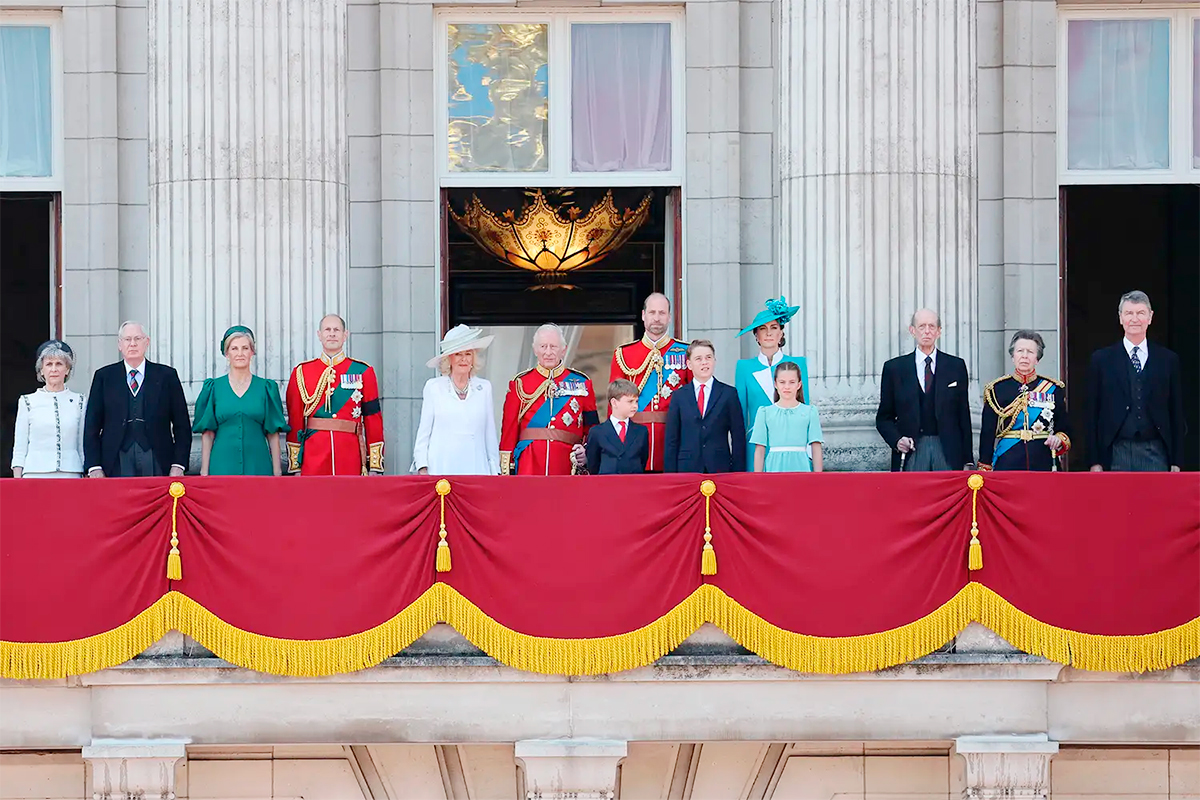
What strikes me most about all of this is that the British monarchy’s survival hinges less on a vote than on its ability to maintain its perceived usefulness, both domestically and internationally. The data shows a slow but steady decline in enthusiasm, not a sudden collapse.
Royalists always point out that the monarchy has weathered worse times, such as Diana’s death, and that the next generation—George, Charlotte, and Louis—could shift the narrative. They might be right. Or perhaps the window of opportunity is closing faster than it appears on paper.