
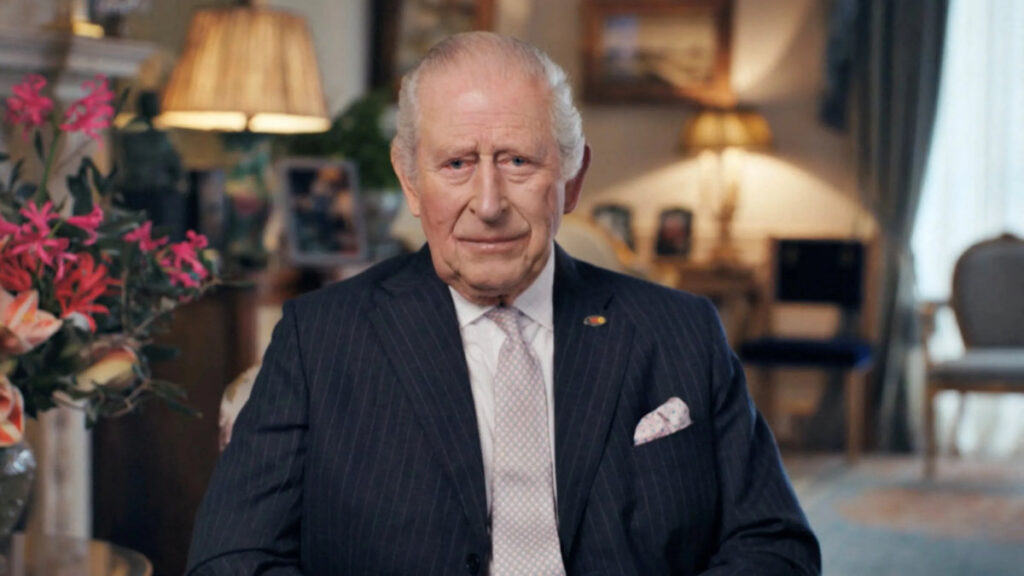
King Charles delivered one of his most personal messages since his diagnosis was made public. In a televised speech during Channel 4’s Stand Up To Cancer special, he confirmed that doctors have decided to reduce his treatment starting next year.
The reason is clear and encouraging: their response to medical care has been positive. He said it himself, bluntly.
“Thanks to early diagnosis… my cancer treatment schedule can be reduced in the New Year.” A sincere moment, recorded at Clarence House, that felt intimate and deeply human.

What has King Charles said about his cancer treatment?
It is unusual for the monarch to speak so openly about his health. Since February 2024, when Buckingham Palace announced his illness, Charles has remained active, fulfilling official commitments and making public appearances. According to those around him, that routine has helped him stay focused.

In the message, he made it clear that he will continue to be under medical supervision, although in a more preventive phase. At 77, he sought to convey calm rather than triumphalism, and that is appreciated.
What message did he want to send to those going through a similar situation?
This was the true heart of the speech. Charles discussed how overwhelming such a diagnosis can be and emphasized the importance of early detection. “Early detection is key,” he emphasized, explaining how it allowed him to continue living a full life even during treatment.
He also recalled that medical advances have changed many stories, and that this deserves to be told, especially for those currently undergoing treatment.

Why did you request medical check-ups on these dates?
The king concluded his speech with a direct call to action. He encouraged people to learn about screening programs and not to postpone tests simply because they were uncomfortable.
His final reflection was clear: dedicating a few minutes to a medical check-up can make a difference. A sober, well-measured message that aligns with the tone he has adopted since going public with his condition to help others understand the disease.