

Harry’s broken necklace and that shattered dog bowl at Nottingham Cottage have become the “royal” version of a pub brawl, but with more distinguished names.
While the Duke of Sussex portrayed a choreographed display of physical violence in Spare, reminiscent of a Netflix script, William’s side has determined that 2026 will be the year of a refined counterattack, even if conducted through third parties.

Russell Myers’ new biography isn’t just a book; it’s a guided missile from the corridors of Kensington Palace, reminding us that, within the Crown’s hierarchy, truth often hinges on who maintains the most composure under pressure.
William not only denies the push; he also rejects the narrative of the younger brother as a “victim” and counters by accusing Harry of a cheap shot, a phrase that, in the code of British nobility, equates to calling someone disloyal and ungentlemanly.
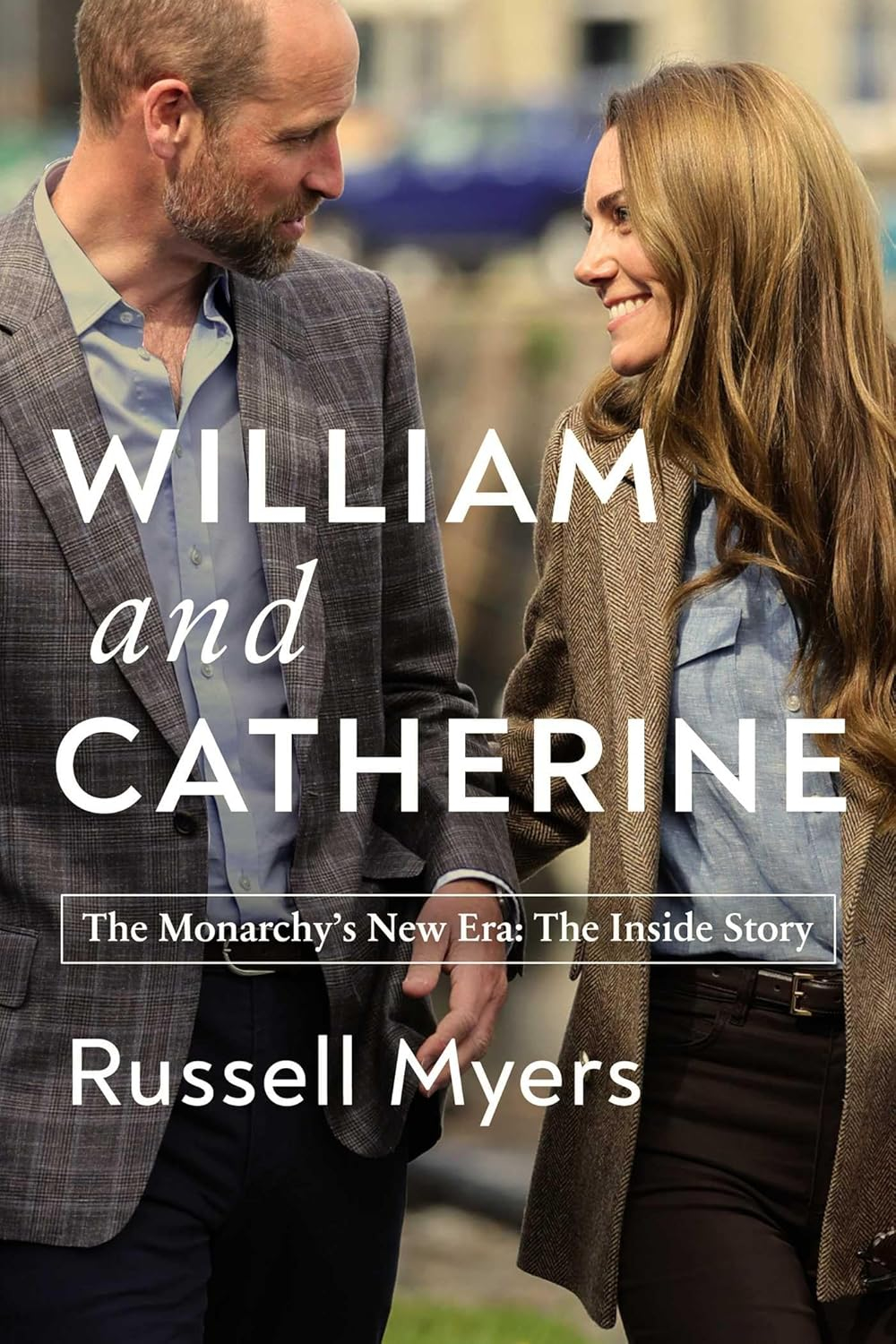
What really happened between William and Harry, according to the new leaks?
We are witnessing a clash between two survival protocols: Harry’s, who believes in the public catharsis of “telling his truth,” and William’s, who clings to the worn-out but effective mantra of “never complain, never explain.”
However, the heir has realized that remaining silent was making him appear as the villain in the story, so he now uses “anonymous” sources to leak that his frustration was not an unwarranted attack on Meghan, but rather a defense of his own staff. By calling the Duchess “abrasive” and “difficult,” William isn’t simply insulting his sister-in-law; he’s exercising his role as a future Head of State, protecting the institution from what he perceived as behavior that undermined the Court’s stability.

Historically, feuds between heirs and “spare parts” have defined reigns—think Edward VIII and George VI—but this is the first time dirty laundry has been aired with details about pet bowls and broken jewelry.
Elizabeth II’s memorable phrase, “Some recollections may vary,” has matured like fine wine, becoming the umbrella under which William now takes refuge.
Harry claims to Anderson Cooper that his family “radicalizes” readers through leaks, but conveniently forgets that he himself authorized his secretaries to provide information for the book Finding Freedom.

It’s a media guerrilla war where the physical “violence” Harry describes—“He grabbed me by the collar”—is less damaging than the reputational violence they’re both inflicting on each other.
For William, admitting to a physical altercation would be to stoop to the level of a commoner in a pub brawl, something the protocol of a future King simply cannot allow. He prefers the world to believe it was merely an unfortunate exchange of words.
Ultimately, the conflict isn’t about who pushed whom, but about controlling the historical narrative of the House of Windsor.
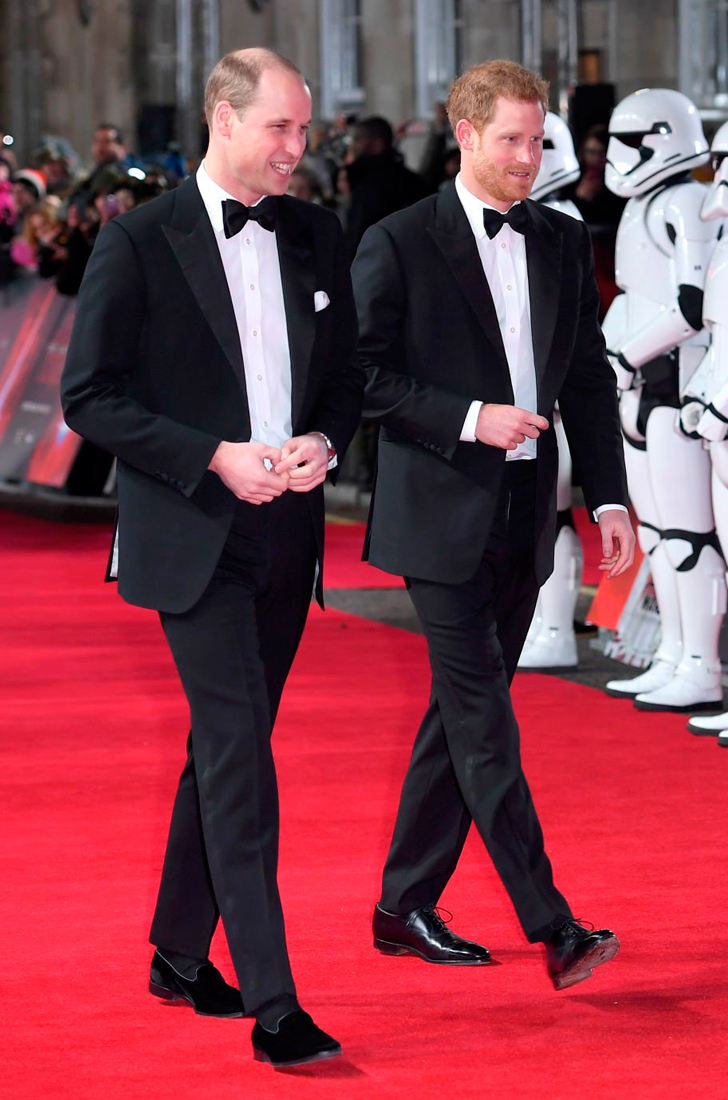
While Harry clings to the raw emotion of the moment, William focuses on long-term damage control, positioning himself as the mature brother dealing with a “difficult” situation in his professional life.
The timing of this new book’s release suggests that peace in Kensington Gardens is an illusion, and that precedence—the hierarchical order that bothers the Sussexes—still dictates who gets the last word in the tabloids.