

Princess Leonor’s training extends far beyond aircraft and helicopters. While she continues her military training at the General Air Force Academy, a parallel program is designed to prepare her for another front: language and diplomacy.
According to sources close to the Zarzuela Palace, Leonor is studying Arabic and Mandarin Chinese, two languages chosen for their importance in today’s global economy. According to the same sources, English and French are already like native languages to her.
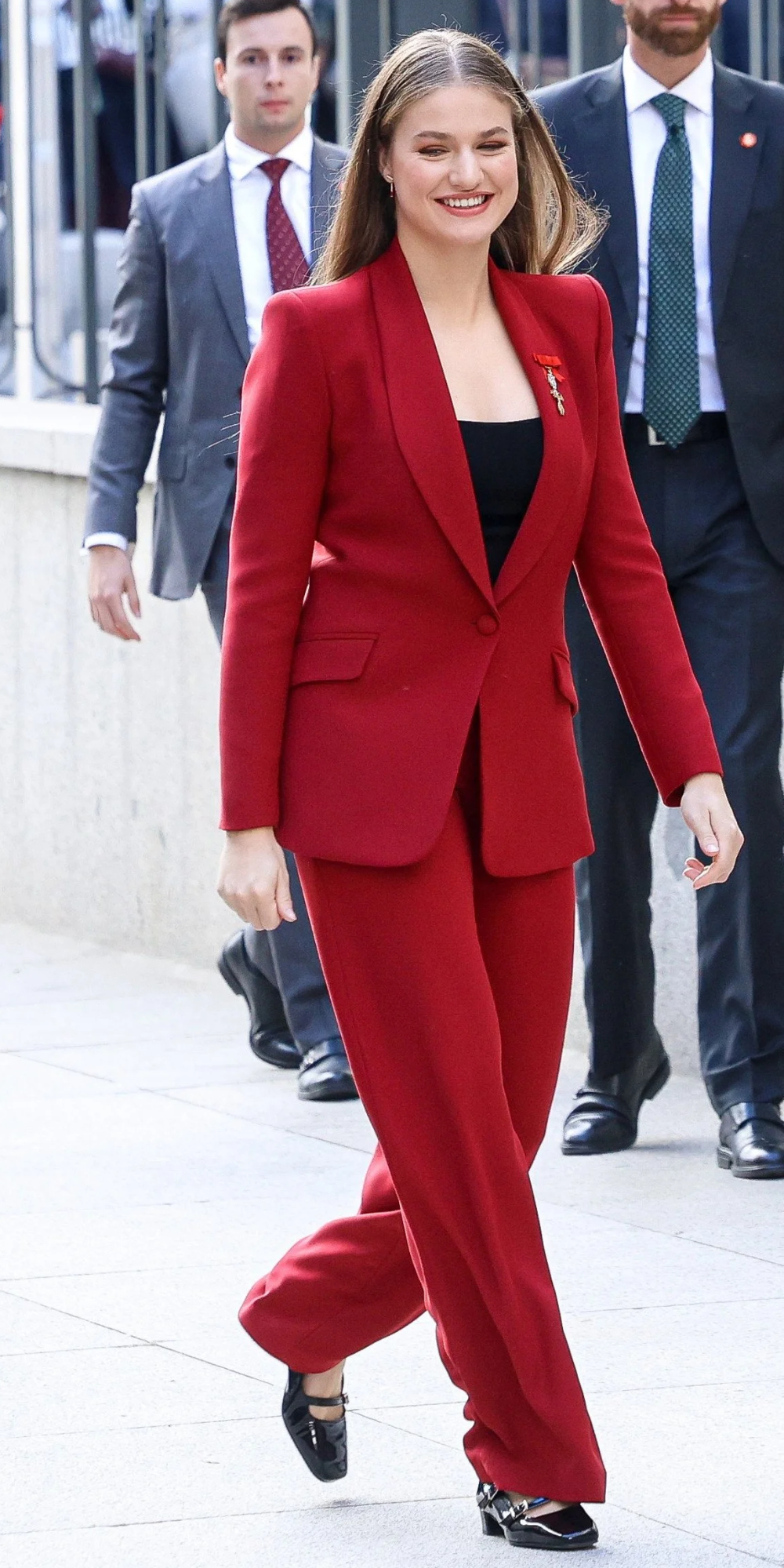
This is not a minor detail. The goal is for the future head of state to be able to participate independently in international meetings without relying on external translators.
Additionally, Leonor has begun attending sessions at the Ministry of Foreign Affairs, a development that is unprecedented. For now, her role is as an observer at high-level meetings focused on the European Union and Latin America, but the objective is clear. When the time comes to represent Spain alone abroad, she won’t be starting from scratch.

Understanding the inner workings of technical diplomacy before needing to use it is precisely the kind of preparation that doesn’t make headlines, but that defines a head of state.
Latin America holds a special place in this plan. As heiress, Leonor will assume the honorary presidency of the community of Spanish-speaking nations, and the program already includes study trips to the continent.

The goal is not just institutional visibility, but to forge genuine connections with the new generation of Latin American leaders. A network of connections that takes years to build and, if started now, could be one of her strongest assets for her future reign.
A very specific profile is emerging: that of a queen prepared for the 21st century, equipped with technical, linguistic, and geopolitical tools.
Military training instills discipline and institutional credibility, but the diplomatic aspect is what defines international influence.