
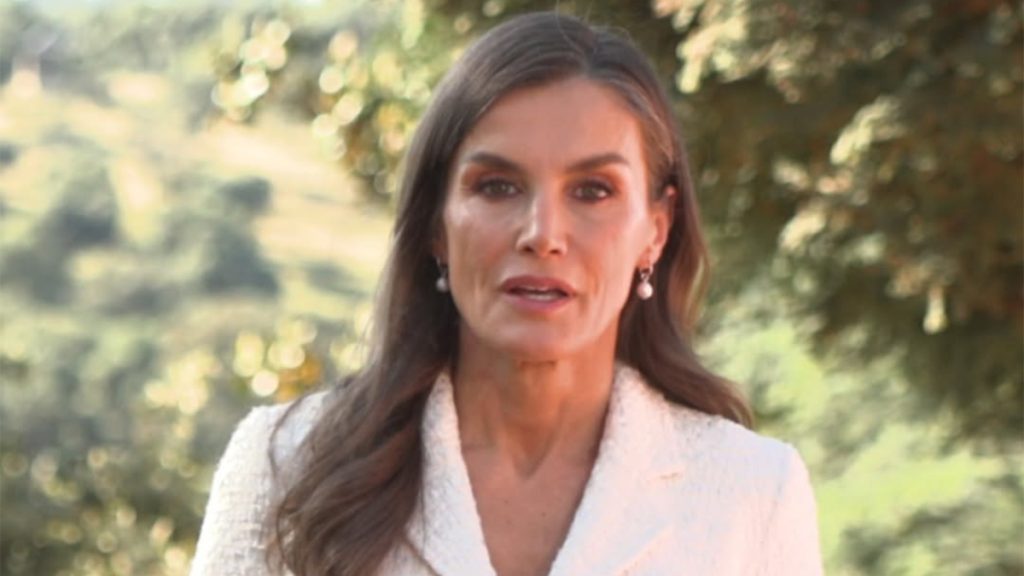
Queen Letizia’s video for World No Tobacco Day made it clear that the issue no longer allows for a soft approach. Her speech was shown at the European Parliament’s headquarters in Spain during a WHO event, and it was one of those moments when she chose to speak candidly.
The focus was on vapes and the notion that they are not a game. The industry markets them as a clean alternative, but the WHO itself insists that the risk is real and not insignificant.
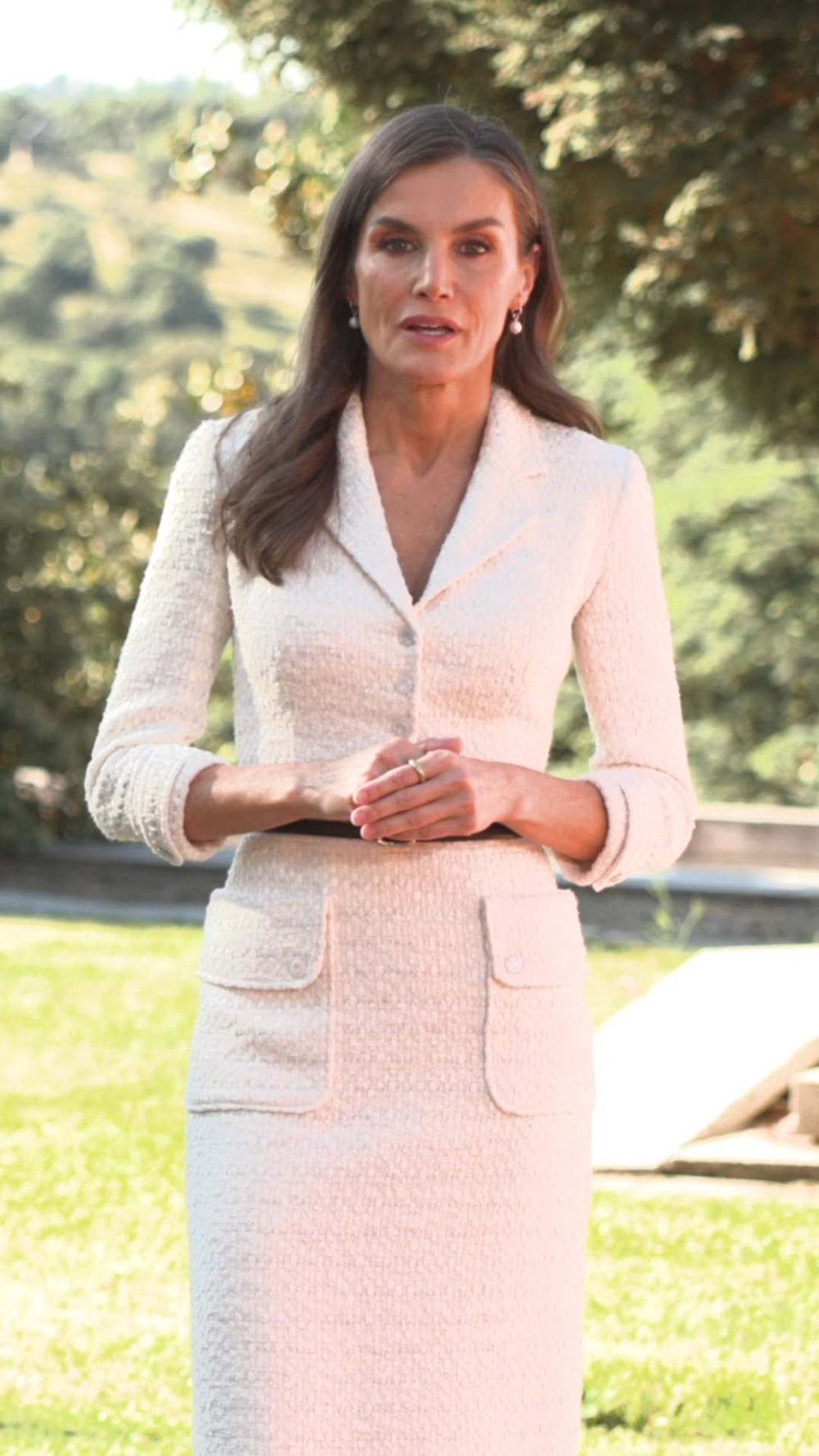
With complete ease, worthy of an experienced journalist, Letizia emphasized that these devices are designed to appeal to young people. She said it with a phrase that echoed throughout the room. “The trend fades, but the damage can linger.” That contrast between a passing fad and compromised health set the tone for her message.
She reminded us that tobacco kills millions each year and that secondhand smoke remains a real problem. Her speech aimed to debunk the perception of vaping as harmless, a notion that many teenagers have bought into.
The speech also addressed collective responsibility. Health education, prevention, and support for quitting nicotine. She didn’t speak out of alarm, but rather based on evidence.
Ver esta publicación en Instagram
The WHO has long warned that these products are not as new as they seem and that they are designed to create addiction. Letizia reinforced that idea with a firm tone that fits her role as an advocate for health issues.
This message comes at a time when the debate over vaping is intensifying in Europe. The Queen has become a consistent voice on public health issues, and this video adds another chapter to that work.
Queen Letizia’s World No Tobacco Day Speech
“I doubt there’s anyone who doesn’t know that smoking kills. Smoking kills. It’s printed on regular cigarette packs, and the numbers are well known.
Every year, tobacco kills seven million people worldwide, and more than 1.5 million non-smokers die from breathing secondhand smoke. So, what’s new on this World No Tobacco Day according to the WHO? Well, regarding the potential regulation of tobacco product consumption. Vapes, e-cigarettes, nicotine pouches, vape sticks, Puffs, pods, and all that.
So, should this debate focus on reducing harm or on lower risk? Let’s consider this. Some argue that we should choose between the ammonia, tar, arsenic, carbon monoxide, cadmium, acrolein, formaldehyde, and nicotine—among other substances—found in conventional cigarettes, those that produce smoke and combustion and are linked to seven million deaths worldwide each year, or the glycidol, pyridine, dimethyl trisulfide, acetoin, chromium, lead, methyl, glyoxal, and nicotine—among other substances—contained in electronic cigarettes and vapes, new products whose long-term health effects are still unknown. It’s clear to everyone that these heated tobacco products aren’t harmless, and the industry itself readily admits this. Furthermore, the most vulnerable groups—minors and young people—perceive the risk as lower.
In fact, the WHO explains this year that these products are designed to appeal to the youngest consumers. Moreover, for some time now, many countries have been publicly reviewing the regulatory frameworks for these new market developments, which, as all stakeholders acknowledge, lack a safe consumption threshold. That said, there is one indisputable certainty amid this complex debate: what consensus is needed to make public health policy decisions regarding these tobacco products.
Investing in prevention will always be beneficial, not only in purely economic terms, but especially when it comes to health. And one of the main pillars of prevention is health literacy. Health education means letting go of fear and learning, gaining access to knowledge, and asking our healthcare professionals the best questions.
Health education means understanding why we have certain symptoms and taking responsibility for listening to our bodies before they start to complain. Health education involves paying attention to and understanding how our body and mind work, and what factors determine our health. So, on this World No Tobacco Day, an interesting question we could ask ourselves is: if we already know the consequences of smoking combustible tobacco, why and for what purpose do we want to inhale the substances found in vapes and other heated tobacco products? If the answer is nicotine addiction because I’m hooked, then there’s already help available to quit smoking.
If the answer is that it’s a fad, it shouldn’t take precedence over your health. Fads come and go, but poor health can stick with you for a long time and is sometimes irreversible. Thank you.”