
If you’ve ever dreamed of strolling through the halls of Buckingham Palace with an employee ID around your neck, prepare for a reality check. According to Omid Scobie, the chronicler who whispers in Montecito’s ear, the Palace is where weekends go to die, and salaries are so low that they barely cover rent in an expensive London.
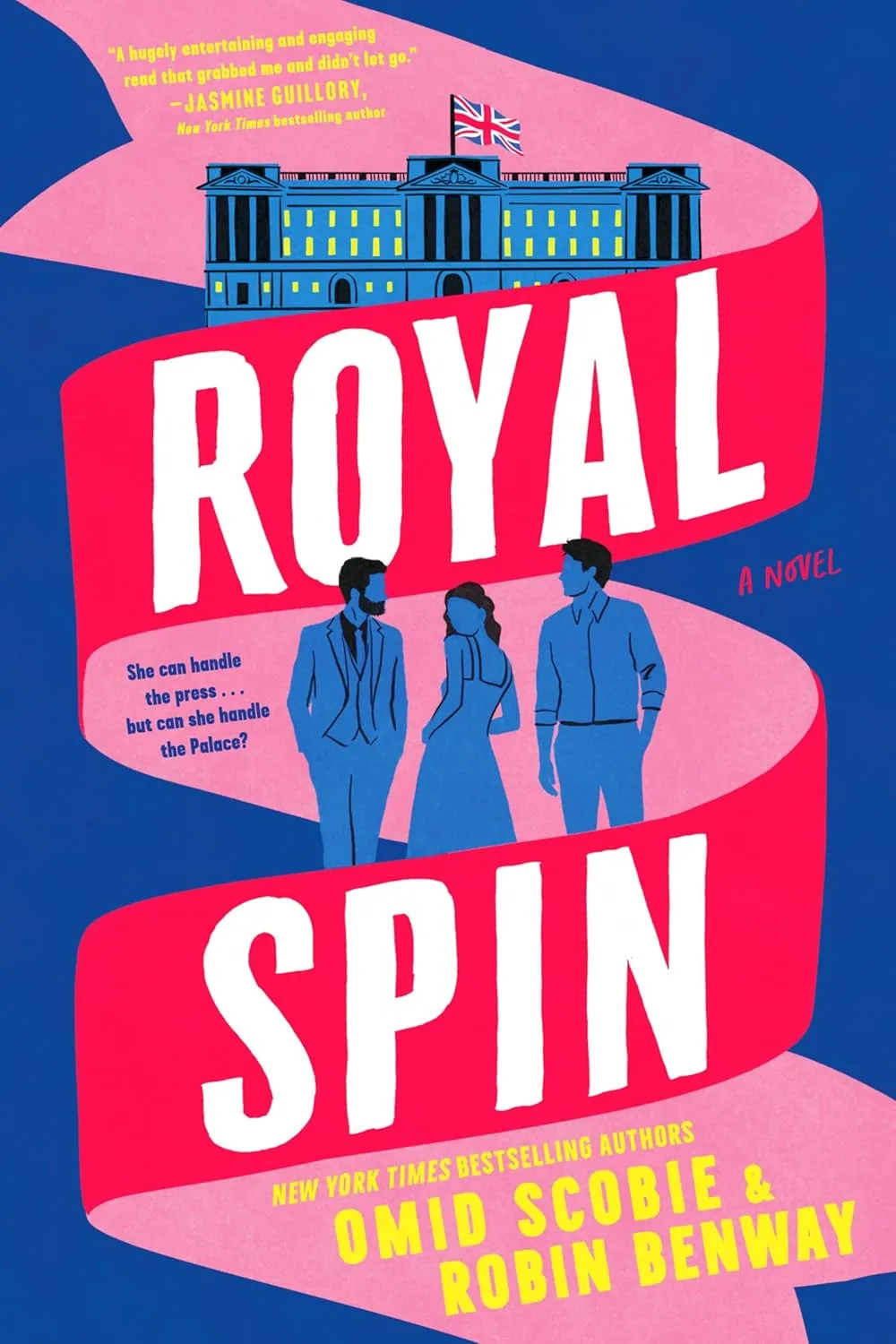
In his latest foray into fiction with Royal Spin, Scobie shifts from a combat essay to a novel, but the underlying message remains the same: the monarchy is a meat grinder for young idealists.
The romance of sealed letters is over; what we have now is a frenetic turnover of staff and an unhealthy reliance on the iPhone. Because at the “Firm,” if the King sneezes at three in the morning, a secretary must be there to offer him a silk handkerchief before the tabloids report he has pneumonia.
Is it true what the books say about the secrets of the British royal family?
The big question everyone is asking is how much of this spin is reality in disguise, and how much is simply made up to avoid libel lawsuits. Although the authors insist the characters are fictional—a Prince of Strathearn here, a charming Duke there—the scent of a roman à clef is undeniable when a scandal erupts over a vase with racist connotations.
It’s impossible not to connect the dots to that fateful lunch in 2017, where Princess Michael of Kent appeared wearing a blackamoor-style brooch—a piece of jewelry depicting African figures in a servile pose—just as Meghan Markle made her debut at the family table.

Historically, the British court has been a bastion of outdated traditions, where protocol serves not as a guide to courtesy, but as a weapon to assert hierarchy and remind “intruders” of their exclusion from the club.
Working for the Windsors is like playing a game of chess where the board is constantly shifting, and the press—the notorious Royal Rota—is the world’s most ruthless referee.
The novel’s protagonist, an American communications expert, soon discovers that attempting to modernize the Crown is akin to steering an ocean liner with a plastic oar: the old-school courtiers, those “men in gray” Diana so despised, have centuries of inertia on their side.

It’s no coincidence that Scobie, who has been accused of being the unofficial spokesperson for the Sussexes, highlights the toxicity of the palace offices. In reality, between 2018 and 2021 alone, Buckingham and Kensington Palaces saw dozens of high-level employees resign, citing an unbearable work environment—a fact that the Royal Household’s human resources statistics often gloss over under the heading of “external career opportunities.”
The most fascinating aspect of this analysis is that Universal Television has already purchased the rights before the book was even finished, confirming our boundless fascination with the miseries of the palace.